
You notice a small leak in your ceiling after a heavy rain. At first, it seems minor, but soon, water stains spread, and the damage worsens. Ignoring roof issues can lead to expensive repairs, structural damage, and even mold growth. If your roof is old or constantly needs fixing, replacing it might be the best solution. A new roof not only protects your home but also increases its value and improves energy efficiency.
In this guide, we’ll cover everything you need to know about roof replacement, from spotting warning signs to selecting materials and hiring professionals.
Signs You Need a Roof Replacement
Your roof is your home’s first line of defense against the elements. Over time, exposure to sun, rain, snow, and wind can wear it down. Here are key signs that indicate it’s time to replace your roof:
- Frequent Leaks: If you notice water stains on your ceiling or walls, your roof may have leaks that repairs can no longer fix.
- Damaged or Missing Shingles: Shingles protect your home from moisture. If they are curling, cracking, or missing, your roof is at risk.
- Sagging Roof: A sagging roof could mean structural damage, often due to prolonged water exposure or aging materials.
- Mold or Moss Growth: Excessive moss or mold can trap moisture, leading to wood rot and further deterioration.
- Age of the Roof: If your roof is more than 20 years old, it may not provide adequate protection anymore.
Ignoring these signs can lead to bigger issues, including costly repairs or even damage to your home’s foundation.
How to Prepare for a Roof Replacement
A roof replacement is a major home improvement project, but proper planning makes the process smoother. Here’s what you need to do before work begins:
- Schedule a Roof Inspection: A professional inspection will determine if a replacement is necessary and help you choose the right materials.
- Set a Budget: Get estimates from multiple contractors to understand the cost and plan for unexpected expenses.
- Choose the Right Materials: Consider factors like durability, weather resistance, and energy efficiency.
- Find a Trusted Contractor: Look for experienced roof installation experts with positive reviews and proper certifications.
- Prepare Your Home: Move vehicles, cover furniture, and inform neighbors about the project to minimize disruptions.
Proper preparation ensures a hassle-free experience and helps avoid unexpected issues.
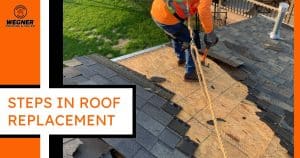
Steps in Roof Replacement
Replacing a roof involves several important steps. Here’s a breakdown of the process:
1. Initial Inspection and Planning
A professional roofer inspects your roof to assess its condition and determine if a full replacement is needed. They check for leaks, structural issues, and weather damage before recommending the best materials and approach.
2. Removing the Old Roof
The old roofing material, including shingles, tiles, or metal sheets, is carefully removed. Contractors ensure proper disposal of debris and inspect for any hidden damage underneath.
3. Inspecting the Roof Deck
Before installing a new roof, the deck is checked for weak spots, rot, or moisture damage. Any compromised sections are repaired or replaced to provide a solid foundation for the new materials.
4. Installing Underlayment and Insulation
A waterproof underlayment is added to protect against leaks, followed by insulation to enhance energy efficiency. This step helps regulate indoor temperatures and prolongs the roof’s lifespan.
5. Placing New Roofing Materials
The chosen roofing material, whether asphalt shingles, metal panels, or tiles, is installed with precision. Homeowners considering darker roofing should also understand the potential disadvantages of black shingles, including greater heat absorption and more noticeable fading over time. Proper alignment and fastening help ensure durability, weather resistance, and long-term performance.
6. Final Inspection and Cleanup
Once the installation is complete, the contractor performs a final inspection to ensure everything meets safety and quality standards. The site is cleaned, with all leftover materials and debris removed.
Types of Roofing Materials
Choosing the right roofing material is crucial for longevity, efficiency, and style. Here are the most popular options:
- Asphalt Shingles: These shingles are affordable, easy to install, and available in various colors.
- Metal Roofing: extremely durable, energy-efficient, and great for extreme weather conditions.
- Slate Roofing: A premium choice that lasts over 100 years with minimal maintenance.
- Wood Shingles/Shakes: This offers a rustic look but requires regular upkeep.
- Clay and Concrete Tiles: These are Highly durable and ideal for warm climates.
Best Roofing Materials for Replacement
Choosing the best roofing materials for replacement depends on durability, cost, and climate. Asphalt shingles are affordable and widely used, while metal and slate offer long-lasting protection. Consider energy-efficient options to lower utility bills.
Roof Replacement Cost Breakdown
The cost of a roof replacement depends on various factors, including material, labor, and additional repairs. Here’s what to expect:
- Material Costs: Prices vary by type. Asphalt shingles are the most affordable, while slate and metal roofing are premium choices.
- Labor Costs: Removing the old roof and installing the new one requires skilled labor, which affects pricing.
- Permits and Inspections: Some areas require permits and final inspections, adding to the overall cost.
- Additional Repairs: If the roof deck has damage, extra costs may arise for repairs.
Getting quotes from multiple local roofing contractors near me can help you find the best deal.

Benefits of Roof Replacement
A new roof provides numerous benefits beyond just fixing leaks. Here’s why replacing your roof is a smart investment:
- Increases Home Value: A well-installed roof enhances curb appeal and resale value.
- Improves Energy Efficiency: Modern materials reflect heat, reducing cooling costs.
- Enhances Weather Protection: A strong roof shields your home from rain, wind, and snow.
- Reduces Maintenance Costs: Newer roofs require fewer repairs and upkeep.
Best Time for Roof Replacement
The best time for roof replacement is during spring or fall when the weather is mild. Avoid extreme summer heat or winter snow, as they can affect installation and material performance. Planning ensures better scheduling with contractors.
Roof Maintenance Tips for Longevity
Keeping your roof in good condition extends its lifespan and prevents costly repairs. Follow these maintenance tips:
- Schedule Regular Inspections: A professional should check for damage at least once a year.
- Keep Gutters Clean: Clogged gutters can lead to water buildup and roof damage.
- Trim Overhanging Branches: Prevents falling branches from damaging shingles.
- Check for Moss and Algae Growth: Use a gentle cleaner to remove moss before it causes damage.
Routine maintenance ensures your investment lasts for decades.
Hiring Local Roofing Contractors Near Me
Finding a skilled and reliable contractor is essential for a successful roof replacement. Here’s what to look for:
- Check Reviews and Ratings: Look for customer feedback and high ratings.
- Verify Licenses and Insurance: Ensure the contractor is certified and insured.
- Ask for a detailed Estimate: Get a breakdown of costs before signing a contract.
- Request a Warranty: A reputable contractor should offer a workmanship warranty.
Taking these steps helps you choose a trustworthy professional for the job.
Final Thoughts
Replacing your roof is a significant investment, but it’s essential for protecting your home and improving energy efficiency. By choosing the right materials, hiring skilled contractors, and preparing in advance, you can ensure a smooth process.
Whether you’re dealing with an aging roof or storm damage, taking action now will save you from bigger issues down the road. Need expert help? Contact roof installation experts today to get started!
FAQs
Q.1 How do I know if my roof needs to be replaced instead of repaired?
If your roof has widespread damage, frequent leaks, or is over 20 years old, replacement is a better option than repair.
Q.2 What are the most common signs of roof damage?
Look for missing shingles, water stains, sagging, mold growth, and excessive granule loss from asphalt shingles.
Q.3 How long does a roof replacement take?
Most projects take 1 to 3 days, depending on roof size and weather conditions.
Q.4 What should I do to prepare my home before roof replacement starts?
Move vehicles away from the work area, secure fragile items inside, and inform your neighbors about the upcoming construction.