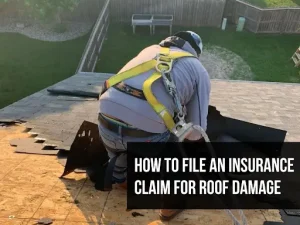
After a storm, roof damage can be overwhelming. But knowing how to file an insurance claim can help. A strong claim can help you get funds for roof repair. This is especially true if hail or severe weather has damaged your roof.
To successfully navigate this process, you must lead with clear inspection and documentation intent before the insurance adjuster even arrives.
Let’s dive into the steps to file a roof damage claim. We will learn how the process works and get pro tips for approval.
How to Handle a Roof Insurance Claim Step-by-Step
Filing a claim doesn’t have to be a guessing game.
By breaking the process down into manageable steps, starting with evidence collection and ending with professional repairs, you can take control of your property’s restoration.

What Damage to Document Before Filing Your Claim
Step 1: Assessing and Documenting the Roof Damage
The first step in filing an insurance claim for roof damage is assessing the extent of the damage. You will need a clear view of the areas affected, whether they are from hail, wind, or general wear and tear. Start by safely inspecting your roof from the ground or using binoculars. Look for missing shingles, dents, or obvious structural issues.
Before calling your insurance agent, make sure you look for and photograph the following:
- Hail splatter marks on your driveway, AC units, window screens, or fencing.
- Dents on soft metals like roof vents, exhaust pipes, and gutters.
- Lifted, creased, or entirely missing asphalt shingles caused by high winds.
- Excessive shingle granules washing down into downspouts and splash blocks.
Crucial Claim-Documentation Steps:
- Use a camera or smartphone with the timestamp and geolocator features enabled.
- Capture wide-angle shots of your entire property, then safely zoom in on specific damages.
- Save local weather reports or news articles citing the exact storm date and severity to serve as factual citations for your claim.
| Pro Tip: Take high-quality photos from multiple angles to document the damage. Clear, timestamped images can be a game-changer when filing your claim. |
Step 2: Contact Your Insurance Company Promptly
Reach out to your insurance provider as soon as possible after noticing the damage. Most companies have deadlines for reporting claims. So, it is vital to act quickly.
For example, in regions prone to severe weather like South Dakota, most policies strictly enforce a 12-month deadline to file a claim counting down from the exact date of the storm.
Contacting them early also helps establish a record of the incident. When you call, ask the insurance company what to do next.
Also, request a copy of your policy if you do not have one. It will help you understand your hail damage roof insurance claims, among other things.
If the damage is causing active indoor leaks, immediately schedule an emergency roof repair to mitigate interior water damage, as insurance carriers require homeowners to protect the property from further loss.
Step 3: Review Your Insurance Policy
Take the time to thoroughly review your insurance policy, specifically looking at coverage for roof damage due to hail, wind, or storms. Policies vary, so it is vital to understand what is and is not covered before you proceed.
This will prepare you for any out-of-pocket costs. Some policies have exclusions, while others may only cover specific types of damage.
Understanding your policy can help you communicate better with your adjuster. It can also speed up your storm damage / insurance help.
Step 4: Schedule an inspection with an insurance adjuster.
Your insurance company will likely send an adjuster to inspect the damage. The adjuster’s assessment will greatly affect your coverage. So, confirm that he or she has all the details and documents.
Prepare to show them the damage, especially any significant hail damage. It could affect your hail damage roof insurance claim. Being proactive in this step can increase the accuracy of your claim.
Step 5: Get an estimate from a reputable roofing contractor.
After the adjuster inspects, get an independent estimate from a trusted roofer. Ideally, you should schedule your local roofing contractor to be present during the adjuster’s inspection.
A qualified roofer can point out hidden structural damage the adjuster might overlook. This is especially important if your insurer provides a lower settlement than expected.
A detailed third-party assessment can confirm your claim and prove the actual cost of the repairs.
When choosing a contractor, check reviews and credentials. They should show expertise in handling hail damage roof insurance claims.
Some roofing contractors also specialize in insurance claims and can help guide you through the process.
If you need an expert assessment, reach out to our highly-rated nearest city roofing page, Wegner Roofing and Solar to get started.
Step 6: File your claim and submit the required documentation.
Submit your completed claim along with all supporting documentation. Include:
- A detailed description of the damage.
- Photographic evidence
- Contractor estimates
- Any receipts or invoices for temporary repairs.
- A completed loss inventory list detailing all affected external property (e.g., damaged gutters, siding, or fencing).
This information will strengthen your insurance claim for roof damage and increase the chances of a fair payout. Confirm that everything is filed within the timeframe specified by your policy.
Tip Box:
|
Step 7: Review the insurance offer.
Your insurance company will review your claim. Then, they will send an offer with the settlement amount. Compare this offer with the estimate from your contractor. If the offer does not meet the repair costs, you may have grounds to negotiate for a higher payout.
If you need help with negotiations, hire a public adjuster or consult your contractor. They can advocate for you. They will confirm your hail damage roof insurance claim reflects the true repair costs.
Step 8: Complete the roof repairs.
Once the claim is approved and you have agreed to the settlement amount, proceed with the repairs. Be sure to keep all repair receipts, as your insurance company may request them. Remember, timely repairs are essential to prevent further damage and maintain your coverage.
Choosing a qualified roofer for the job is essential. Look for licensed, insured professionals who specialize in hail damage roof insurance claims. This ensures that the repairs are completed to the standards required by your insurance policy.
Step 9: Complete and close the claim.
After the repairs, submit any requested receipts or documents to your insurer to complete your claim. This step closes the roof damage insurance claim. It ensures you have met all requirements and received full payment.
| Pro Tip: Keep a copy of the completed claim and repair documents for future reference. These records are useful for warranty purposes and can be valuable if any issues arise. |
Ready to Start Your Roof Damage Claim?
Filing an insurance claim for roof damage does not have to be complicated. By following these steps, you can navigate the process smoothly and increase your chances of a successful claim.
Document the damage. Communicate with your insurance company. Work with a good contractor.
This will help you maximize your payout and restore your roof with confidence. Protect your investment by acting quickly and following a clear plan.
If you’re ready to tackle your roof repairs, don’t wait. Secure you home by requesting a professional evaluation today.
Contact Wegner Roofing and Solar for an inspection and professional guidance on handling your insurance claim for roof damage.
FAQs
How do you get a roof claim approved?
To get a roof claim approved, document the damage thoroughly, report it to your insurer promptly, and have an inspection done by both your insurance adjuster and an independent roofing contractor. Providing clear evidence and supporting estimates improves your chances.
Will insurance cover roof damage?
Yes, in most cases, homeowners’ insurance policies cover sudden and accidental roof damage caused by acts of nature like hail, wind, falling trees, or lightning. However, if the damage is due to general wear and tear, lack of maintenance, or an aging roof, your claim will likely be denied.
Will insurance cover a 20-year-old roof?
Coverage for a 20-year-old roof varies by policy. Some policies only cover roofs up to a certain age or may pay for repairs instead of full replacement (often paying Actual Cash Value instead of Replacement Cost Value). Reviewing your policy or consulting your insurance provider will clarify what is covered.
What happens if I don’t use my insurance money to fix my roof?
If you don’t use the funds to fix your roof, it can affect your coverage. Most insurers need proof that repairs were completed to continue providing coverage. Failing to repair the damage may lead to higher premiums or loss of future claims.
How long do I have to file a claim for roof damage?
The time limit for filing a claim depends on your insurance policy. While state laws allow several years for contract disputes, insurance policies have legally enforceable internal deadlines.
Most standard insurers require claims to be filed exactly within 12 months of the storm date. Missing this window can result in an automatic denial. Always check your policy details or ask your provider for the exact timeline.
What is the difference between an insurance adjuster and a roofing contractor?
An insurance adjuster works on behalf of your insurance carrier to determine the extent of the damage and how much the company is liable to pay. A reputable roofing contractor works for you, providing independent assessments, detailed repair costs, and ensuring that all necessary repairs meet local building codes.
Does insurance cover storm damage to a roof?
Yes, most homeowners’ insurance policies cover storm damage to roofs. This includes hail, wind, and other storm-related impacts. Specifics can vary, so check your policy to confirm coverage and the process for filing a storm damage claim.
Does my insurance deductible apply to roof replacement?
Yes. When a roof damage claim is approved, your insurance carrier subtracts your policy’s deductible amount from the final settlement payout.
You are responsible for paying this deductible amount out-of-pocket directly to your chosen roofing contractor.
Can I choose my own roofing contractor for an insurance claim?
Yes. While your insurance company may recommend a preferred network of vendors, you generally have the right to hire any licensed and insured roofing contractor to perform the repairs on your property.
What should I do if my insurance adjuster’s estimate is too low?
If the adjuster’s initial settlement does not cover the repair costs outlined by your independent roofer, you can file a supplemental claim.
Your roofing contractor can provide the insurance company with detailed line-item estimates and photos of hidden damage to justify the additional funds needed for proper restoration.