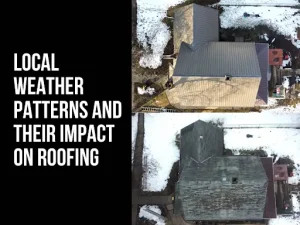
The roof is your home’s first line of defense against the elements, and weather affects roofing more than any other factor. From blistering summer heat to heavy snowfalls in the winter, understanding how weather impacts your roof can save you time, money, and stress in the long run. In regions like Rapid City, Sioux Falls, or Bismarck, local weather patterns can have a significant Impact of Weather on Roofing Materials. In regions like South Dakota, North Dakota, and Montana, where weather extremes are common, understanding how weather affects roofing is critical for protecting your home.
Imagine waking up to a heavy downpour, hearing the relentless pitter-patter of rain on your roof. At first, it’s comforting, but over time, unnoticed leaks can develop, silently eroding your roofing materials. Prolonged rain can seep into shingles and decking, creating mold and structural damage that might not be visible until it’s too late. The rain impact on roof is subtle but dangerous if left unchecked. Summers, on the other hand, bring different challenges, as heat impact on roof surfaces causes expansion, contraction, and material fatigue. UV rays weaken asphalt shingles, making them brittle and prone to cracking.
How Weather Affects Your Roof
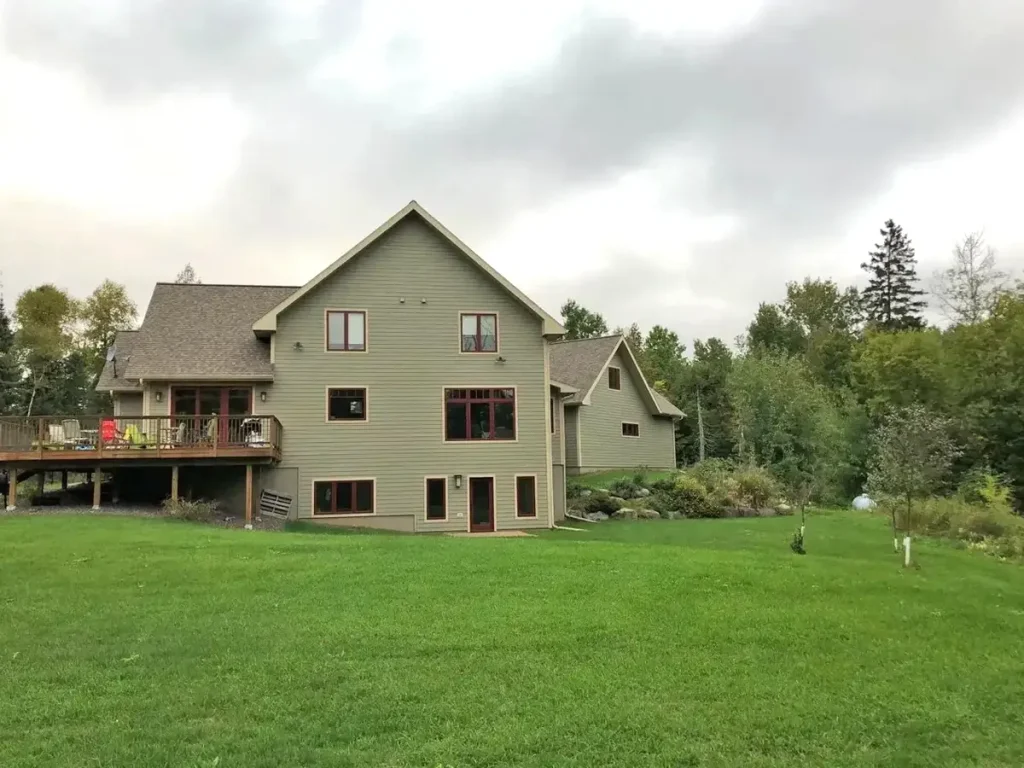
Your roof faces different challenges throughout the year. Extreme weather impacts roofing materials differently, depending on whether it’s sunny, rainy, or icy.
Heat impact on roof
Prolonged exposure to intense sunlight, common in cities like Rapid City, South Dakota, can cause asphalt shingles to become brittle and crack, leading to leaks. Materials such as metal or tile can better reflect heat and resist damage from UV rays.
Rain impact on roof
Heavy rains, especially frequent during the spring in Wyoming, can wear down roofing materials over time, leading to water infiltration and leaks. Effective water drainage systems, including well-maintained gutters, are essential to reduce moisture damage.
Ice impact on roof
In regions like Billings, where ice storms are common, ice dams can form, forcing water underneath shingles and damaging the roof’s underlayers. Metal and slate roofs are much more resistant to this type of damage.
Extreme weather impact on roof
High winds, hailstorms, and heavy snowfall common in Montana require roofs made from highly durable materials like impact-resistant shingles or metal roofing to prevent immediate or long-term damage.

Best Weather Conditions for Roofing Installation
Roof installation or repairs are best done in moderate weather, typically in spring or fall, when temperatures are mild, and there is little chance of rain or snow. Scheduling roofing work during these ideal times ensures both quality workmanship and safety for the crew. In regions like Rapid City, fluctuating temperatures and unexpected storms can delay roofing projects. Thus, weather conditions impact roofing repair and installation heavily, making timing a crucial factor in ensuring long-lasting results.
Tips to Weatherproof Your Roof
To protect your roof from the ever-changing weather, follow these tips:
- Select weather-resistant materials: Option for durable materials like metal or clay tiles, which are better suited for high winds and heavy rainfall common in this region.
- Regular inspections: Schedule routine roof inspections, especially after severe weather events, to catch minor damage before it turns into a costly problem.
- Maintain insulation and ventilation: Proper insulation will help control your home’s temperature, while ventilation reduces moisture buildup, preventing condensation issues.
- Gutter maintenance: Clear your gutters regularly to ensure rainwater is directed away from your roof, preventing leaks and water damage.
Conclusion
Weather conditions play a major role in the durability and performance of your roof. At Wegner Roofing & Solar, we have extensive experience with how local weather patterns in Montana and South Dakota affect roofing.
Let us help you choose the right materials and provide expert installation, ensuring your roof lasts through every season.
Protect your home today—Contact Wegner Roofing & Solar for a weather-resistant roof that stands strong year-round.
FAQs
How does weather affect roofing?
Weather has a significant impact on roofing materials through elements such as extreme heat, rain, and wind. Over time, these forces weaken the roof’s integrity, leading to issues like leaks, cracks, and material deterioration.
What are the best weather conditions for roofing?
Roofing work is best completed during mild, dry conditions. Spring and fall generally offer the best opportunities to replace or repair roofs without weather delays.
How does weather affect the roof in summer?
In summer, UV rays and heat can cause some materials, like asphalt shingles, to crack or blister. Reflective materials like metal or tile are better suited to withstand prolonged sun exposure.
What is the best weather to replace a roof?
The best weather for roof replacement is during moderate, dry conditions, typically in spring or fall, when temperatures are neither too hot nor too cold.