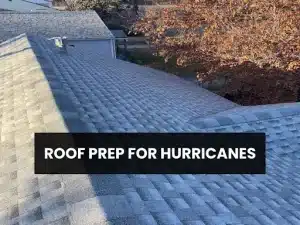
Last hurricane season, a family on the Gulf Coast learned the hard way that even a small gap in roof maintenance could lead to catastrophic damage. Their home suffered water leaks and roof shingle loss because they didn’t take proactive steps to protect it. This year, don’t let storms catch you off guard.
Effective roof prep for hurricanes is your first line of defense to protect your home and loved ones. Taking steps now to strengthen your roof will save you from stress, expense, and potential loss. By being proactive, you can avoid expensive repairs, maintain the safety of your family, and ensure your home withstands the 2025 hurricane season.

Why Roof Prep For Hurricanes Is Critical During Season
Hurricanes bring intense winds, heavy rainfall, and flying debris that can cause severe roof damage from hurricanes. A poorly maintained roof can act as a weak point, allowing water to infiltrate your home and compromise its structural integrity. Without preparation, you risk costly repairs, water damage, and potential danger to your family.
Preparing your roof ahead of time reduces these risks, ensuring your safety and avoiding expensive emergency repairs. Additionally, maintaining a hurricane-ready roof increases your home’s resale value and may even qualify you for reduced insurance premiums. Investing time in preventive measures can save thousands of dollars and provide peace of mind during the storm season.
When Is the 2025 Hurricane Season?
The official 2025 hurricane season runs from June 1, 2025, to November 30, 2025. During these months, coastal and high-risk areas face increased risks of powerful storms. Preparing early is crucial to avoid the rush and ensure your roof can withstand hurricane conditions. Scheduling roof inspections and roof repairs in spring gives you a head start, so you’re ready well before the season begins.
By preparing in advance, you’ll also have more time to source the right materials and contractors, avoiding delays caused by the pre-hurricane season rush. Be proactive rather than reactive—timely preparation is key to weathering storms effectively.
How to Prepare Your Roof for Hurricane Season
Follow these steps to ensure your roof is ready to withstand the 2025 hurricane season:
1. Inspect Your Roof Thoroughly
Conduct a detailed inspection to identify and address potential vulnerabilities:
- Shingles: Look for loose, missing, or damaged shingles that could be torn off by strong winds. Replacing them ahead of time ensures your roof is sealed against water entry.
- Flashing: Check for signs of wear or rust on flashing around chimneys, vents, and skylights, as these areas are prone to leaks.
- Attic: Inspect for leaks, water stains, or sunlight seeping through cracks, which could indicate gaps that may worsen during a storm.
- Gutters: Ensure gutters are clean and securely attached to prevent blockages and water pooling, which could lead to structural damage.
2. Reinforce Your Roof’s Structure
Strengthening your roof’s structural integrity is essential for hurricane resistance:
- Hurricane Straps: Install straps to secure the roof to the home’s frame, reducing the risk of uplift. These small additions make a big difference in roof stability.
- Extra Fasteners: Add fasteners to weak areas of your roof to increase durability, especially in high-risk zones.
- Seal Gaps: Use sealant or adhesive to close gaps and prevent wind-driven rain from entering your home, which can lead to costly water damage.
3. Upgrade to a Roof Prep for Hurricanes
Consider installing a hurricane proof roof with materials designed to withstand extreme conditions:
- Metal Roofing: Known for its durability, metal roofing resists high winds and lasts longer than traditional shingles. Additionally, it is resistant to corrosion, adding long-term value.
- Impact-Resistant Shingles: These are designed to handle flying debris and severe weather conditions, offering extra protection for vulnerable areas.
- Clay or Concrete Tiles: Heavyweight tiles provide excellent storm resistance but may require additional structural support to handle the added weight.
4. Clean Your Gutters and Surroundings
Maintaining a clear perimeter around your home minimizes storm damage:
- Gutters: Clear gutters and downspouts to ensure water flows away from your roof and foundation, reducing the risk of flooding.
- Trees: Trim overhanging branches that could fall and damage your roof during a storm, especially those near windows and critical areas.
- Outdoor Items: Secure or store furniture, decorations, and loose objects to prevent them from becoming dangerous projectiles in high winds.
Protect Your Roof During a Hurricane
As a storm approaches, take these measures to minimize potential roof damage:
- Cover Vulnerable Areas: Use heavy-duty tarps to shield exposed sections of your roof, especially where recent repairs were made.
- Stay Indoors: Avoid the risk of injury by not climbing onto the roof during a storm. Instead, monitor your roof’s condition from a safe location.
- Monitor for Leaks: Keep an eye out for signs of water entry and take note of issues to address after the storm. Having a storm emergency kit ready can also help address minor leaks temporarily.
Taking these precautions helps to reduce damage and ensures safety for you and your family. Being proactive during the storm can save you from significant post-hurricane repairs.

Benefits of Hurricane Roof Protection
Proactively investing in hurricane roof protection offers numerous advantages:
- Safety: Strengthens your home to safeguard against dangerous weather conditions, ensuring your family’s well-being.
- Cost Savings: Prevents costly repairs by addressing potential issues before the storm hits, saving thousands of dollars in emergency expenses.
- Longevity: Increases the lifespan of your roof by fortifying it against extreme weather. A well-maintained roof performs better during storms and reduces long-term wear and tear.
- Insurance Benefits: Some insurers may offer discounts for homes with hurricane-resistant roofs. Make sure to check with your provider to maximize potential savings.
How to Handle Roof Damage Post-Hurricane
If your roof sustains damage, here’s what to do:
1. Document the Damage
- Take detailed photos of visible issues, such as missing shingles, water stains, or structural damage.
- Record the time and nature of the damage for insurance purposes. This will make it easier to justify your claim.
2. Contact a Roofing Contractor
- Hire a licensed roofing contractor experienced in hurricane roof damage repair.
- Obtain multiple estimates to compare pricing and services, ensuring you get the best quality work within your budget.
3. File an Insurance Claim
- Notify your insurance company promptly and keep all communication documented.
- Submit photos, repair estimates, and other documentation to streamline the claims process. It’s important to follow up regularly to avoid delays.
Don’t Forget: Hail Damage Roof
Preparing for hurricanes is vital, but addressing other weather events, like hailstorms, is equally important. Ignoring hail damage roof issues can weaken your roof, leaving it vulnerable during the next storm. Always check for hail damage after storms to maintain your roof’s integrity and ensure it can handle future challenges. Staying vigilant between hurricane seasons can save you from unexpected repair costs.
Conclusion
Proactively preparing your roof for the 2025 hurricane season can make a significant difference in your home’s safety and longevity. From detailed inspections to professional reinforcements, every step strengthens your home’s defenses against storms. Don’t wait until it’s too late—prioritize roof prep for hurricanes today to protect your home and family before the first storm hits. Taking these measures ensures your peace of mind and protects your most valuable asset—your home.
Frequently Asked Questions
How Do You Hurricane-Proof Your Roof?
- Ensure your roof is built or retrofitted with durable materials like impact-resistant shingles or metal roofing and add hurricane straps for extra support.
How Do I Stop My Roof from Blowing Off During a Hurricane?
- Install hurricane clips or straps to secure the roof structure. Regularly inspect and repair loose or damaged shingles.
Do Roofers Install Hurricane Straps?
- Yes, licensed roofing contractors can install hurricane straps to fortify your roof.
What Is the Best Roofing Material to Withstand a Hurricane?
- Metal roofs and impact-resistant shingles are top choices for durability.