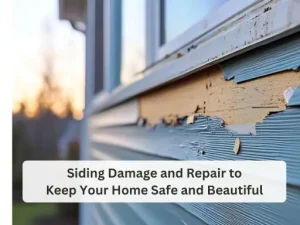
Your home’s siding does more than just enhance its appearance; it serves as a shield against the elements, safeguarding your walls and insulation. But what happens when that siding is damaged? Whether from harsh weather, accidents, or aging, siding damage can cause costly issues if ignored. Luckily, siding damage and repair can be managed effectively, saving you time and money. With the right tools and a little know-how, you can tackle even significant damage, restoring your home’s safety and curb appeal.
What Causes Siding Damage?
Siding can face damage from a variety of sources, and it’s essential to recognize these early to address the problem quickly.
- Severe Weather: Storms, hail, and high winds can cause chips, cracks, or even completely break off panels.
- Physical Impact: Falling tree branches, objects, or accidents can leave your siding vulnerable to dents or fractures.
- Moisture Exposure: Continuous exposure to water can lead to rotting, particularly for wood siding.
- Pests: Insects, like termites, can damage certain siding materials, leading to premature aging and degradation.
Once you spot any of these signs of house siding damage, the next step is to assess whether it can be repaired or needs to be replaced.
How to Identify House Siding Damaged Areas
The first step to siding damage and repair is identifying the affected areas. Walk around your home and carefully inspect your siding for:
- Cracks or Holes: These can let in moisture, compromising the integrity of your home’s structure.
- Bubbles or Blisters: These may indicate moisture trapped underneath the siding, which can cause further damage if not repaired.
- Warping or Buckling: This could be a result of improper installation or severe weather conditions.
- Discoloration or Staining: This can be a sign of water damage or mold growing behind the siding.
Once you’ve assessed the damage, you can move forward with the appropriate repair methods.
How to Repair Vinyl Siding
Vinyl siding is one of the most durable options for homeowners, but it can still suffer from wear and tear. If you’re facing siding damage and repair for your vinyl siding, here’s how to fix it:
1. Gather Your Materials
Make sure you have the following resources before you begin:
- Replacement vinyl panels
- A utility knife
- A zip tool
- A hammer
- Nails or screws
2. Remove the Damaged Section
Begin by using the zip tool to unhook the damaged section from the surrounding panels. Work carefully to prevent damage to the adjacent panels.
3. Cut and Prepare the New Panel
Measure the damaged area and cut your replacement panel accordingly. If the damage is extensive, you may need to replace an entire row of panels.
4. Install the New Panel
Position the new panel into place and use the zip tool to snap it in. Ensure it aligns properly with the existing panels. Secure the panel using nails or screws.
5. Inspect the Repair
Once installed, check the new panel to make sure it fits seamlessly and is secure. A properly installed panel will keep your home protected from the elements.
How to Patch Siding with Minor Damage
For smaller issues like cracks or holes, you don’t need to replace entire sections of siding. Instead, you can patch the damage yourself with minimal effort.
1. Clean the Area
The damaged area should be cleaned before any patching material is applied. Remove any dirt or debris using a mild soap and cloth to ensure the material adheres correctly.
2. Apply Repair Material
A vinyl siding repair kit or siding-specific caulk can be used. Fill in the cracks or holes with the repair material, smoothing it out to match the rest of the siding.
3. Let It Dry
Allow the patch to dry completely. Once dry, check to see if it blends well with the surrounding area. If needed, smooth it out further for a seamless finish.
How To Replace Damaged Siding Panels
If your siding is severely damaged, you may need to replace entire panels. Here’s how you can do it:
1. Unhook the Damaged Panel
Carefully separate the damaged panel from the surrounding ones using the zip tool. Make sure to take your time and avoid damaging the adjacent panels during the process.
2. Prepare the New Panel
Measure the damaged area and cut the replacement panel to the exact size needed. Make sure the new panel blends in seamlessly with the existing panels.
3. Install the New Panel
Carefully slide the new panel into position, making sure it hooks securely into the adjacent panels. Use nails or screws to fasten the panel, ensuring it stays in place and remains sturdy.
4. Double-Check the Repair
Inspect the panel to make sure it’s properly aligned with no visible gaps or loose sections. A tight and seamless fit will help maintain both the protection and visual appeal of your home.
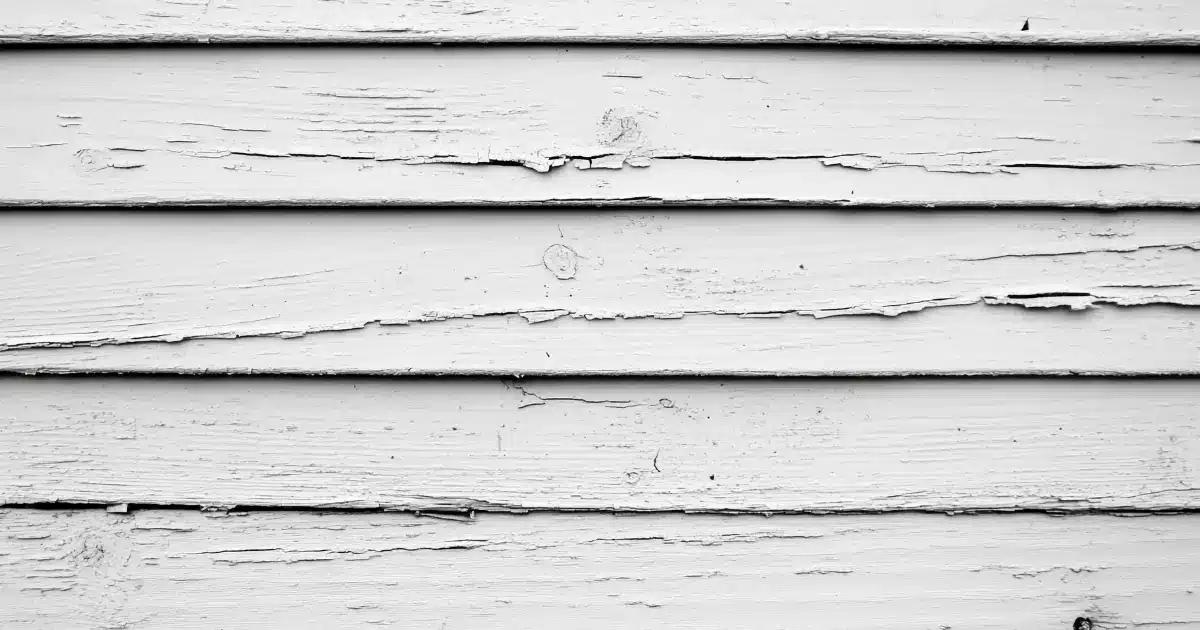
Why Timely Siding Damage and Repair is Important
Neglecting damaged siding can lead to major problems down the road. When siding is left unrepaired, water can seep in, causing mold growth and structural damage. Damaged siding can also make your home less energy-efficient, as it can compromise insulation. Addressing siding damage early is essential to avoid costly repairs in the future. Whether patching up small cracks or replacing an entire panel, prompt action keeps your home safe and energy-efficient.
Conclusion:
When it comes to siding damage and repair, the earlier you address the issue, the better. Whether you’re dealing with minor damage that just needs a patch or extensive damage requiring full panel replacement, the process is manageable with the right tools and techniques. By following these steps, you can restore your home’s protection, enhance its curb appeal, and prevent costly repairs in the future.
Remember, keeping an eye on your siding’s condition and addressing damage right away is the best way to preserve your home’s safety and visual appeal. Don’t wait for the damage to get worse—take action today!
FAQs:
How can I tell if my house siding is damaged?
Look for cracks, holes, warping, blisters, discoloration, or staining. These are signs of potential damage that need attention.
Can I repair small cracks or holes in my siding myself?
Yes! Minor damage can be patched using a vinyl siding repair kit or caulk. Clean the area, apply the material, and let it dry.
When should I replace damaged siding panels instead of repairing them?
If the damage is extensive—like large cracks, warping, or missing panels—it’s best to replace the entire panel to ensure proper protection.
How do I replace a damaged vinyl siding panel?
Use a zip tool to unhook the damaged panel, measure and cut a new panel, and secure it with nails or screws. Make sure it aligns with existing panels.
Is it necessary to repair siding damage immediately?
Yes. Delaying repairs can lead to water damage, mold growth, and reduced energy efficiency. Address damage quickly to avoid costly repairs.