Why Winter Roof Preparation in Billings Isn’t Optional
Let’s be honest, Montana winters don’t play around. Unlike milder climates, where the occasional snowfall is more of a novelty, our local weather patterns can be intense.
Roofs in Billings are routinely exposed to:
- Rapid freeze-thaw cycles
- Heavy snow accumulation
- Wind-driven ice
- Ice dams and roof edge buildup
- Moisture intrusion from snowmelt
Ignoring winter roof preparation in our area isn’t just risky; it can lead to preventable damage like interior leaks, energy loss, mold growth, and even partial roof collapse.
How to Prepare Your Roof for a Harsh Montana Winter
1. Get a Professional Roof Inspection (Don’t Skip This)
This is your first and most important step. A trained roofer knows exactly where to look for small problems that could become big ones in cold weather.
From loose shingles to damaged flashing, these are issues that aren’t always visible from the ground.
A proper inspection covers:
- Shingle integrity and sealing.
- Flashing and roof edge conditions.
- Gutters and drainage systems.
- Chimney and vent sealing.
- Attic ventilation and insulation.
2. Clean Out Gutters and Downspouts
You’d be surprised how many winter roofing problems start in the gutters. Clogged gutters don’t just overflow; they freeze, expand, and trap moisture at the edge of your roof.
This causes dangerous ice dams that lead to interior water damage.
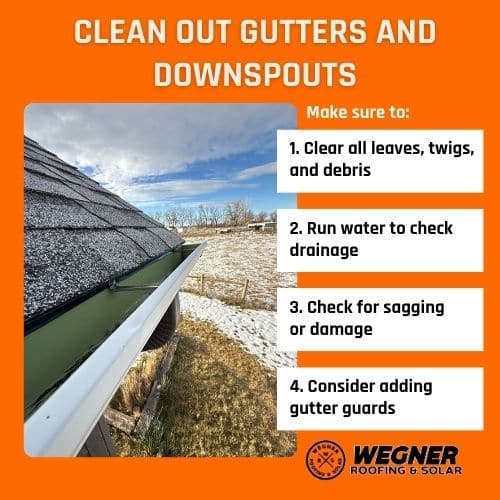
Make sure to:
- Clear all leaves, twigs, and debris.
- Run water to check drainage.
- Check for sagging or damage.
- Consider adding gutter guards.
3. Repair or Replace Damaged Shingles and Flashing
Even one cracked or missing shingle can be a gateway for snow and moisture. The same goes for flashing, the thin material around chimneys, skylights, and vents that keeps water out.
If these aren’t sealed properly, water can seep underneath and into your attic or walls.
Common warning signs:
- Curling or lifting shingles.
- Rusted or loose flashing.
- Soft spots on your roof.
- Discoloration or mold around vents.
4. Check Your Attic Ventilation and Insulation
This is often overlooked but critical in preventing ice dams. Poor attic ventilation traps heat, which melts the snow on your roof.
That melted snow refreezes at the eaves, forming heavy ice dams that back up water under your shingles.
Here’s what to check:
- Is insulation evenly spread and at the proper depth?
- Are vents blocked or covered?
- Is air flowing properly through the soffit and ridge vents?
Want a full attic-to-rooftop evaluation? Wegner Roofing & Solar can help you assess ventilation and insulation to keep your heating bills low and your roof protected.
What Happens If You Skip Roof Prep This Winter?
It’s easy to think your roof will hold up just fine, especially if it seemed okay last year. But skipping proper winter roof preparation can cost you big in the long run.
Here’s what could go wrong:
- Ice dams cause water to leak through ceilings and walls
- Freeze-thaw cycles widen roof cracks
- Insulation becomes saturated and less effective
- Structural roof components can weaken over time
- Emergency repairs during winter are more expensive and dangerous
Neglecting winter roof preparation could lead to costly issues like leaks or structural damage.
If you’re in need of quick repairs, contact Wegner Roofing for expert roof repair in Billings to get your roof back in shape before the snow arrives.
Waiting to deal with your roof until there’s snow on the ground is a gamble that rarely pays off.
Simple Winter Roof Checklist for Montana Homeowners
Want a quick overview to keep you on track? Use this checklist:
- Book a professional roof inspection.
- Clean gutters and test drainage.
- Replace cracked or missing shingles.
- Seal all flashing and rooftop penetrations.
- Check attic insulation and airflow.
- Remove debris from valleys and roof edges.
- Consider installing heat cables in trouble areas.
Don’t Let Winter Catch You Off Guard
Preparing your roof for winter may not be the most glamorous task, but it might just be the smartest one you make this season.
Whether you’re a first-time homeowner or a long-time Montana resident, taking care of your roof now means less stress, fewer surprises, and a warmer, safer home all winter long.
Ready to get proactive about your roof? Contact Wegner Roofing & Solar today to secure your inspection spot before the next cold front hits. We’re here to make winter feel a lot less stressful.
FAQs About Winter Roof Preparation
When is the best time to start winter roof preparation in Billings?
The best time to begin is early to mid-fall, ideally before the first freeze or snowstorm.
This allows time for inspections, repairs, and upgrades without rushing or working in unsafe weather conditions.
Once the snow starts falling, it’s often too late or too risky to address problems safely.
What are the signs that my roof isn’t ready for winter?
Common warning signs include:
- Curling or missing shingles
- Leaks or water spots inside your home
- Uneven roof surfaces or sagging
- Rusted flashing or loose gutters
- Ice forming on roof edges or in gutters
If you notice any of these, schedule a professional inspection right away.
Can I handle winter roof preparation on my own?
While you can take basic steps like cleaning your gutters or visually inspecting your attic, most roofing prep tasks should be done by a professional.
Walking on a roof is dangerous, especially in colder months, and untrained eyes may miss subtle issues that can cause big problems later.
How does attic insulation help with roof prep?
Good attic insulation and ventilation prevent heat from escaping through your roof, which is one of the main causes of ice dams.
When warm air melts snow on your roof, the runoff can refreeze at the eaves, causing water backup and leaks. Proper insulation keeps interior heat in and helps snow melt evenly.
Is winter roof damage covered by insurance?
It depends on your policy and whether the damage is considered sudden or preventable.
Neglecting winter roof preparation could reduce your chances of a successful claim if damage is due to maintenance-related issues.
Keeping records of inspections and repairs from a licensed contractor helps support your claim if issues arise.