
With spring finally here, it’s the perfect time to take a close look at your roof. Over the winter, roofs endure heavy snow, ice, and harsh winds that can lead to unnoticed damage. Ignoring small issues now can turn into costly repairs later, impacting your home’s safety and energy efficiency.
The good news?
A comprehensive Spring Roof Maintenance Checklist can help you stay on top of your roof’s condition and prevent unexpected headaches. Let’s dive into the most effective ways to keep your roof in top shape for the spring season!

Your Complete Spring Roof Maintenance Checklist
Start with a Thorough Visual Inspection
An initial, detailed roof inspection is crucial to identify any potential damage winter may have caused.
- Look for Loose or Missing Shingles: Shingles are your roof’s first line of defense. Inspect the entire roof, focusing on areas where shingles may have shifted, curled, or are completely missing. Look for signs like peeling edges or shingle granules in your gutters, which could indicate wear. Damaged or missing shingles should be replaced promptly to avoid further deterioration.
- Inspect for Signs of Mold and Algae: Winter moisture often encourages mold and algae growth. Dark patches or greenish streaks on shingles are common indicators. If left untreated, these can weaken the integrity of the shingles and lead to leaks. Consider using a gentle roof cleaner to eliminate mold and algae without damaging the roof’s surface.
- Check the Flashing: Flashing, the metal sheeting around roof features like chimneys, vents, and skylights, helps prevent leaks. Ensure the flashing isn’t rusted, cracked, or missing. If you find any gaps or issues, seal or replace the flashing promptly.
- Examine Gutters and Downspouts: Winter storms can deposit leaves, twigs, and dirt in your gutters, causing them to clog. Overflowing gutters can direct water onto your roof, increasing the risk of leaks. Check for any signs of sagging or leaks in your gutters and downspouts, and clear any debris to ensure proper water flow.
Inspect Your Attic
An often-overlooked step, inspecting your attic can reveal hidden leaks or signs of water damage.
- Look for Moisture or Mold: Often, leaks start small and are noticeable only in the attic. Search for dark spots, water stains, or any signs of mold on the walls or rafters. Mold or mildew growth can signify poor ventilation or hidden leaks.
- Ensure Adequate Ventilation: Proper attic ventilation regulates temperature and moisture, which reduces strain on your roof. Check to ensure that your vents are not blocked or clogged, allowing a consistent airflow to prevent moisture buildup..
Clean and Repair Gutters and Downspouts
Clogged gutters can lead to water pooling on your roof, increasing the risk of leaks.
- Remove Debris: Use gloves and a scoop to clear out leaves, twigs, and dirt from your gutters. Blockages can cause water to pool, leading to leaks and roof damage. After removing debris, flush the gutters with a hose to ensure water flows freely.
- Check for Leaks and Loose Sections: Inspect for leaks in the gutters and any sections that may have pulled away from the roofline. Reattach or repair any loose parts, as properly aligned gutters help direct water away from your roof and foundation. Small leaks can be fixed with a waterproof gutter sealant, while larger issues may require professional repair.
Clear Away Any Overhanging Tree Branches
Trees too close to your roof can cause damage during windstorms or drop debris onto your roof.
- Trim Overgrown Branches: Cut back any branches that overhang your roof by at least six feet. This helps prevent leaves, twigs, and moss from accumulating on your roof, which can trap moisture and promote decay. Trimmed branches also reduce the risk of branches scraping against shingles and causing damage in strong winds.
Perform a Roof Surface Cleaning
Spring roof cleaning can help improve your roof’s appearance and longevity.
- Remove Moss and Algae Buildup: Moss and algae can trap moisture, causing shingles to deteriorate faster. Use a gentle, eco-friendly roof cleaner and a soft-bristle brush to remove buildup without damaging the shingles. Avoid abrasive scrubbing, which can strip away the protective granules on shingles.
- Avoid Power Washing: Power washing may seem like a quick cleaning solution, but the high-pressure water can damage shingles and flashing. Stick to gentle cleaning techniques to preserve your roof’s structure and appearance.
Prepare Roof for Winter Practices
It’s never too early to think about how you’ll prepare your roof for winter practices. Planning now can help keep your roof strong year-round.
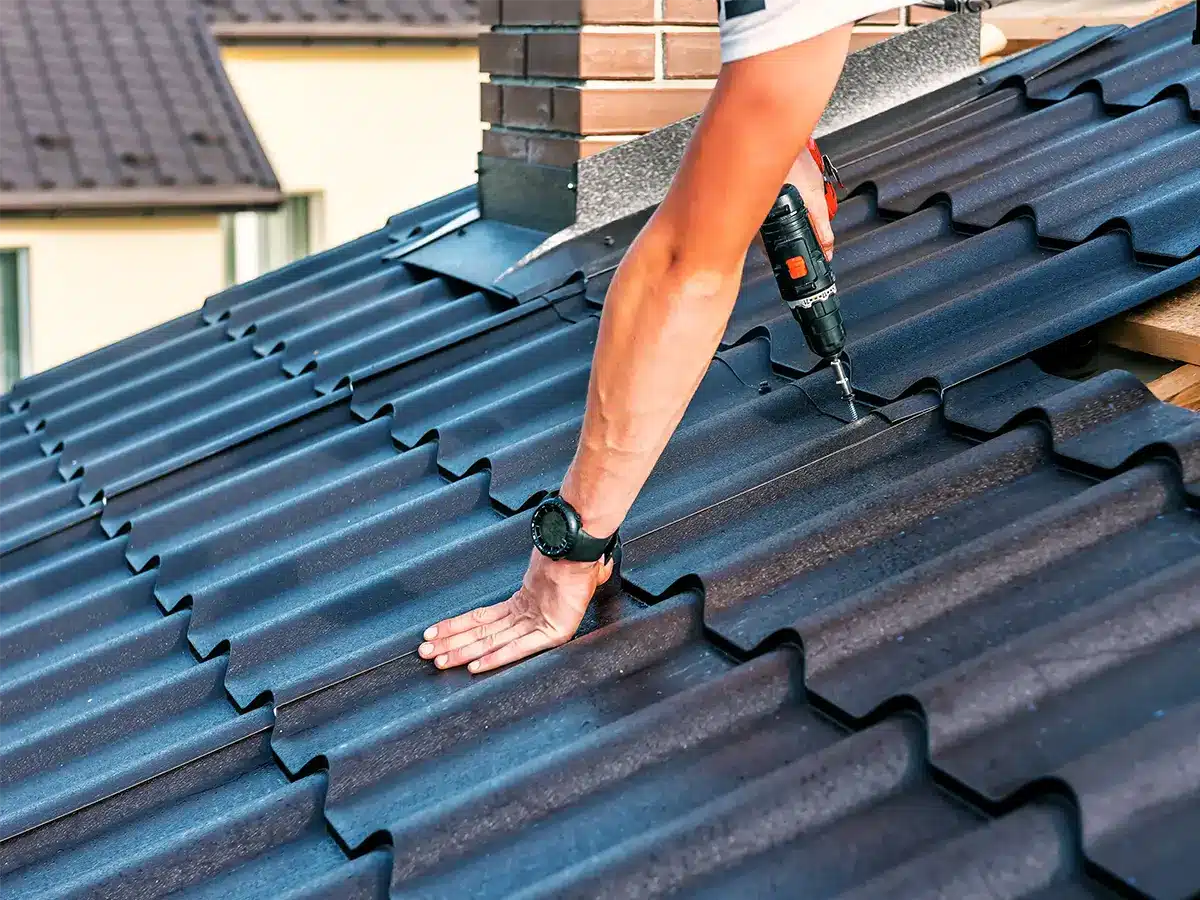
Essential Tips for a Durable Spring Roof Maintenance Routine
Check the Condition of Roof Seals and Caulking
Seals around chimneys, skylights, and vents can wear out, leading to leaks if left unchecked.
- Inspect for Cracks and Wear: Examine the areas around flashing, skylights, and chimneys for any cracks or missing caulk. Small cracks might not seem significant now, but they can let in moisture and grow over time. Reapplying caulk around roof fixtures keeps these vulnerable areas sealed and water-tight.
Hire a Professional Roof Inspection if Needed
If you’re unsure about your roof’s condition, hiring a professional can provide peace of mind.
- Seek Expertise for Complex Issues: Roof inspectors can spot potential problems that a general homeowner might overlook. A professional roof inspection ensures a thorough check-up if you have a steep or complex roof structure. Professionals can also recommend maintenance solutions tailored to your roof’s specific needs, adding years to its lifespan.
Conclusion
Taking a proactive approach with your spring roof maintenance checklist not only helps extend your roof’s life but also ensures your home is protected. By handling these tasks now, you’ll save money on potential repairs and prevent stress down the road. Ready to get started? Use these steps to ensure your roof is prepared for the season and keep your home secure year-round.
FAQs on Spring Roof Maintenance
How to prepare your roof for spring?
To prepare your roof for spring, begin with a thorough inspection for any winter damage, clean gutters, remove moss and algae, and ensure roof seals are intact.
What is proper roof maintenance?
Proper roof maintenance involves regular inspections, cleaning debris, addressing any damaged or missing shingles, and maintaining gutters and flashing to prevent leaks.
What is the most important maintenance effort you can make for a flat roof?
The most critical step for flat roofs is ensuring proper drainage by cleaning gutters and downspouts, as water pooling is a common issue that can lead to leaks and damage.
How often should you restore your roof?
Generally, roofs should be professionally restored every 5-10 years depending on the materials and climate. Regular maintenance checks, however, should occur each spring and fall.