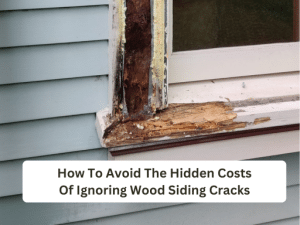
Imagine coming home after a heavy storm, only to find your once-pristine wood siding now covered in visible cracks. At first glance, they seem harmless—just a few small splits in the surface. But weeks pass, rain seeps in, and suddenly, your walls feel damp. The paint begins to peel, mold appears, and before you know it, you’re facing costly structural damage. This is the hidden cost of ignoring wood siding cracks—a problem that starts small but can quickly turn into an expensive nightmare.
Neglecting repairing wood siding cracks doesn’t just affect your home’s appearance; it weakens its structure, leads to rot, and creates openings for pests. But the good news? You can prevent these issues with the right approach. In this guide, we’ll cover how to identify cracks in wood siding, fixing cracks in wood siding, and preventative measures for wood siding cracks—saving you thousands in future repairs.
Why Do Wood Siding Cracks Happen?
1. Weather Exposure
Wood expands and contracts due to temperature changes, causing cracks over time. Prolonged exposure to rain and snow weakens the material further. Without protection, weather damage can escalate quickly.
2. Poor Installation
Incorrect installation leaves gaps, making the siding more vulnerable to cracks. Poor fastening techniques or missing sealants can also lead to early deterioration. Ensuring proper installation prevents premature damage.
3. Lack of Maintenance
Skipping routine maintenance allows minor cracks to grow into serious damage. Dirt, mold, and moisture accumulate, weakening the wood. Regular inspections help identify problems before they worsen.
4. Pests and Mold Growth
Termites and carpenter ants burrow into wood siding, leading to cracks and structural weakness. Mold growth also accelerates wood decay, making repairs necessary. Addressing pests early prevents long-term damage.
5. Age and Wear
Over time, wood naturally deteriorates, leading to cracks and splits. Sun exposure, moisture, and general aging break down the siding’s integrity. Older wood siding requires more frequent maintenance to stay in good condition.
The Hidden Costs Of Ignoring Wood Siding Cracks
1. Water Damage and Mold Growth
Small cracks allow moisture to enter, leading to mold and wood rot. Mold spreads quickly and requires costly remediation. Ignoring these cracks can lead to interior wall damage.
2. Higher Energy Bills
Cracks in siding create air leaks, making heating and cooling systems work harder. Poor insulation results in higher energy costs throughout the year. Sealing cracks improves energy efficiency.
3. Structural Damage
As cracks expand, they weaken the home’s structure, leading to costly repairs. Wood rot can compromise walls, requiring partial or full siding replacement. Preventative repairs are far less expensive than structural fixes.
4. Pest Infestation
Gaps in siding provide entry points for termites, ants, and rodents. Infestations cause significant interior and exterior damage. Pest control and wood replacement can be expensive.
5. Decreased Home Value
Visible cracks and damaged siding reduce curb appeal and resale value. Potential buyers may see neglected maintenance as a red flag. Well-maintained siding increases property value and attractiveness.

How To Identify Cracks In Wood Siding
1. Visible Cracks or Splits
Check for thin lines, gaps, or deep splits in the wood. Even small cracks can let moisture in, leading to bigger problems. Look closely at corners and joints where cracks often start.
2. Peeling Paint or Bubbling Surfaces
Damaged siding causes paint to peel, bubble, or discolor. This is often a sign of trapped moisture beneath the surface. Regular painting and sealing help prevent this issue.
3. Soft or Damp Spots
Press on different areas of the siding to check for softness or dampness. These spots indicate moisture damage, which can lead to rot. Immediate repairs prevent costly siding replacement.
4. Signs of Mold, Mildew, or Discoloration
Dark streaks, green patches, or black mold spots suggest moisture retention. Mold can spread quickly, causing health hazards. Cleaning and sealing siding reduces mold risks.
5. Pest Activity Near Siding Joints
Look for small holes, sawdust piles, or insect trails near cracks. Termites and ants weaken siding from the inside. Treating infestations early prevents significant damage.
Step-By-Step Guide To Repairing Wood Siding Cracks
1. Clean the Area
Remove dirt, dust, and debris from the crack with a brush or damp cloth. Cleaning ensures the repair materials adhere properly. Dry the area completely before applying filler.
2. Choose the Right Wood Siding Crack Filler
For small cracks, use wood putty or caulk to seal the gap. Larger cracks may require epoxy or wood filler for added strength. Selecting the right product ensures long-lasting results.
3. Apply the Filler
Use a putty knife to press the filler firmly into the crack. Smooth out any excess and let it dry completely. Follow the manufacturer’s drying time for the best results.
4. Sand and Paint
Once the filler is dry, sand the surface to match the surrounding siding. Repainting the area restores protection and keeps the siding looking uniform. Choose high-quality exterior paint for durability.
5. Seal for Protection
Apply a weather-resistant sealant to protect the siding from moisture. Sealing prevents future cracks and extends the siding’s lifespan. Regular re-sealing helps maintain long-term protection.
Preventative Measures For Wood Siding Cracks
1. Regular Inspections
Check your siding every few months for signs of damage. Early detection prevents minor cracks from worsening. Seasonal inspections help catch issues before they become costly.
2. Keep Siding Clean
Wash your siding at least twice a year to remove dirt, mold, and debris. A pressure washer or mild soap solution works well. Clean siding lasts longer and looks better.
3. Seal and Paint
Reapply sealant and paint every few years to protect against moisture. Sealed wood resists cracking and weather damage. High-quality paint extends the life of your siding.
4. Maintain Proper Drainage
Keep gutters and downspouts clear to prevent water from pooling near siding. Proper drainage reduces moisture-related damage. Water-resistant siding remains in better shape longer.
5. Use Quality Materials
Invest in durable wood siding and high-quality repair products. Well-made materials resist cracking and last longer. Spending a little more upfront saves money on future repairs.
Signs Your Wood Siding Needs Repair
1. Cracks Wider Than a Hairline
Thin cracks can be repaired, but wider gaps indicate more serious damage. Wide cracks allow water intrusion, leading to rot. Addressing them early prevents costly replacements.
2. Rotting or Soft Wood
Soft, crumbling wood is a sign of water damage and decay. Rot spreads quickly and weakens the home’s structure. Immediate repairs stop the damage from getting worse.
3. Warping or Buckling Panels
If your siding is bulging or pulling away from the house, it needs repair. Warping indicates prolonged moisture exposure. Straightening and reinforcing siding prevents further issues.
4. Pest Activity
Look for holes, sawdust, or insect trails around siding cracks. Termites and carpenter ants eat away at the wood. Treating pests early prevents major structural damage.
5. Water Stains or Bubbling Paint
Discoloration or raised paint spots signal trapped moisture. This often means the siding is absorbing water. Proper sealing and repainting prevent water damage.
DIY Vs. Professional Wood Siding Repair Services
DIY Repairs
DIY repairs are cost-effective for small cracks and minor damage. They require basic tools like caulk, sandpaper, and paint. However, larger cracks may need professional attention.
Professional Repairs
Professionals siding contractor handle extensive damage with expert techniques. They use specialized tools and offer warranties for long-term protection. Hiring a professional ensures a high-quality repair.
When to Call a Professional
If cracks are widespread or involve rot, professional help is best. Experts can assess whether siding needs partial or full replacement. Investing in professional repairs prevents further damage.
Emergency Roof Leak Repairs
When a roof leak strikes unexpectedly, it’s crucial to act fast to prevent further damage. Emergency roof leak repairs ensure your home stays protected, minimizing water damage and safeguarding your property. Whether it’s a small leak or a major issue, prompt repairs can save you from costly future repairs and keep your home secure.
Final Thoughts
Ignoring wood siding cracks may seem harmless at first, but the long-term consequences can be costly. From structural damage to rising energy bills, the risks aren’t worth it. By following preventative measures for wood siding cracks and acting quickly when damage appears, you can protect your home, save money, and maintain your property’s value. For major repairs, consider professional wood siding repair services to ensure the job is done right and backed by a wood siding crack repair warranty.
Taking action today will prevent expensive repairs in the future. Don’t wait until it’s too late!
FAQs
Is it normal for wood siding to crack?
Yes, wood siding can crack due to weather changes and moisture exposure. Regular maintenance helps prevent worsening damage.
How do you fix cracked wood siding?
Clean the crack, apply a wood siding crack filler or sealant, and repaint for protection. Replace severely damaged sections if needed.
Does cracked siding need to be replaced?
Minor cracks can be sealed, but deep or widespread cracks may require siding replacement to prevent water damage and structural issues.
Is it normal for a wood post to crack?
Yes, wood posts often develop surface cracks as they dry. However, deep cracks may need sealing or reinforcement for stability.