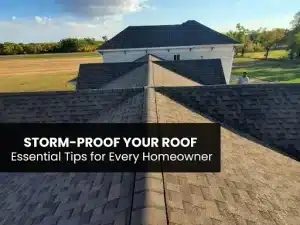
The sky darkened quickly, and within minutes, the storm unleashed its fury. Homeowners were left scrambling, realizing their roofs weren’t ready to handle the heavy winds and pounding rain.
Whether you are facing a sudden summer squall or a forecasted hurricane, knowing exactly what to do before, during, and after a storm is critical to your home’s survival.
Imagine the stress of waking up to water dripping through the ceiling or discovering shingles scattered across your yard. Storms can cause devastating damage to your roof, leaving you vulnerable to costly repairs or even structural issues.
By following a proactive storm-preparedness plan and documenting your roof’s condition, you can minimize these risks and streamline potential insurance claims.
“Defend Against Storms Now! Storm-proofing your roof is not just a smart investment; it’s a necessity. With the right strategies and materials, you can protect your home from severe weather and enjoy peace of mind, knowing your roof is built to withstand the worst.


Why Storm-Proofing Your Roof is Essential
The Growing Threat of Severe Weather
Severe weather is no longer a rare event it’s becoming the norm. From powerful hurricanes along the Gulf Coast to relentless thunderstorms and golf-ball-sized hail in the Midwest, the unpredictability of nature is a challenge homeowners can no longer ignore. A storm-resistant roof doesn’t just protect your home; it can save you from costly repairs and prevent major damage during the next big storm. Understanding the specific weather threats in your region allows you to tailor your roofing defenses accordingly.Protect Your Roof from Damage and Save Big
A roof that isn’t storm-proofed is vulnerable to leaks, structural damage, and even total failure. These issues can escalate quickly, leading to expensive repairs or a full roof replacement. By storm-proofing your roof, you’re investing in long-term protection and avoiding costly fixes when the next storm strikes. If you’re worried about the upfront costs of storm-proofing, check out our financing and insurance claims guide to learn how to make upgrades more affordable.How to Storm-Proof a Roof Step-by-Step Guide
Inspect Your Roof Regularly
Roof inspections are the cornerstone of storm-proofing. A professional roof inspection helps identify weaknesses in your roof, allowing you to address them before they escalate into costly problems. For optimal inspection timing, you should have your roof evaluated bi-annually, once in the spring to assess winter damage and once in the fall to prepare for freezing conditions. During an inspection, check for cracked, loose, or missing shingles that can be vulnerable during storms. Look for rust on metal components, as it weakens the roof’s structural integrity. Clean your gutters to ensure they are free of debris, as clogged gutters can lead to water pooling and overflow. Adding a Fall Roof Inspection to your maintenance schedule ensures your roof is ready for winter storms and the next year’s challenges.Reinforce Vulnerable Areas
Strengthening weak spots on your roof can prevent severe damage during heavy storms. Focus on areas like flashings, which seal vents, chimneys, and skylights to prevent water from seeping through. Reinforce the gable ends of your roof, as these are often the most vulnerable during high winds. Additionally, ensure your gutters are securely attached to handle heavy rainfall without adding stress to your roof structure. These small reinforcements can make a significant difference in storm resilience.Secure Roof Attachments
Roof attachments are critical in ensuring your roof stays intact during storms. Consider installing hurricane straps, which anchor the roof to the walls of your home, adding stability during high winds. Adding extra fasteners, such as nails or screws, ensures that shingles and other materials stay firmly in place. A well-secured roof not only prevents damage during storms but also minimizes the risk of injuries caused by flying debris.Add Waterproof Layers
A waterproof barrier acts as a critical line of defense against water intrusion during heavy rains. Installing an underlayment or seamless membrane beneath your roofing materials helps block water from seeping into your home. This extra layer of protection is especially important in areas prone to frequent rainstorms or hurricanes. Investing in a waterproof layer can save you from significant water damage and costly repairs.Preparing Your Roof for Hurricanes
If you live in a hurricane-prone area, like Florida or Louisiana, your roof requires special preparation to withstand extreme conditions. A sealed roof deck is essential to prevent water from entering through seams, even if shingles are blown off. Storm clips lock shingles in place, reducing the chances of them being lifted by strong winds. Additionally, reinforcing the trusses and rafters of your roof can handle the immense pressure from hurricane-force winds. Preparing your roof for hurricanes protects your home and gives you peace of mind.
How to Protect Your Roof from Storm Damage
Protecting your roof from storm damage requires proactive measures before the clouds ever roll in. Start by trimming any trees near your roof, as falling branches can cause significant harm. Take clear photo documentation of your entire roof and property while the weather is calm; having before photos is invaluable if you need to file an insurance claim later. Regularly clean your gutters to prevent water from pooling and causing damage to your roof. You can also apply a protective roof coating to make your roofing materials more resistant to wear and tear caused by severe weather. During the storm, your primary job is safety. Stay indoors, away from skylights, and do not attempt to climb onto the roof to make repairs while high winds or lightning are present. Keep an eye on your ceiling for any sudden leaks or bulging drywall. Simple actions like these can go a long way in minimizing damage during a storm.Maintenance Matters
Routine roof maintenance is vital for keeping your roof storm-ready year-round. Clearing leaves and debris after every storm prevents water buildup that could damage your roof. Replacing worn-out or damaged shingles promptly avoids further deterioration. Also, inspect roof vents for any cracks or loose fittings, as these small issues can become significant problems if left unaddressed. Consistent maintenance ensures your roof remains in excellent condition, ready to face any storm.The Role of Ventilation and Insulation
Proper ventilation and insulation are critical in maintaining your roof’s structural integrity. Poor ventilation leads to moisture buildup, which can weaken your roof over time. Meanwhile, well-installed insulation helps regulate temperature changes and reduces the stress on your roofing materials. Together, ventilation and insulation play an essential role in ensuring your roof stays strong against harsh weather conditions.Advance Roofing Solutions for Storm Damage Prevention
Investing in preventive upgrades provides comprehensive protection against storm damage. Roof edge reinforcement, for instance, prevents high winds from lifting shingles or tiles. In areas prone to freezing rain or massive hail, such as Texas and Colorado, upgrading to Class 4 impact-resistant shingles is highly recommended. an ice and water shield offers added protection by blocking ice dams. Installing debris guards ensures your gutters and downspouts remain clear, allowing rainwater to flow freely. These roofing solutions not only minimize storm damage but also extend the lifespan of your roof.Smart Homeowner Tips for Storm Preparation
Preparation is key when it comes to protecting your roof from severe weather. Keep an emergency roof kit on hand with essentials like tarps, nails, and a hammer for temporary repairs. If your roof is breached during a storm, knowing how to safely apply emergency tarping once the weather clears is crucial. Only attempt this if the roof is flat enough and dry enough to walk on safely; otherwise, rely on a professional. Review your homeowner’s insurance policy to ensure it covers storm-related roof damage. Lastly, have a list of emergency contacts, including your roofer’s number, so you can act quickly in case of damage. Taking these steps helps you stay prepared and avoid unnecessary stress.Common Roof Storm Damage Indicators
After a storm, once it is safe to go outside, begin your post-storm actions by taking more photo documentation of any visible damage from the ground. inspect your roof for signs of damage. Loose or missing shingles are a common issue caused by high winds. Water stains on ceilings or walls indicate that water has penetrated the roof. Excessive granules in your gutters signal that your shingles are wearing down and may need replacement. If you notice any sagging areas on your roof, it could indicate water damage or structural issues. Knowing when to call a roofer can save your home from secondary water damage. You should call a professional immediately if you spot exposed wood decking, severe sagging, large missing patches of shingles, or if a tree has struck your home. Identifying these signs early helps you address problems before they worsen. If you spot any of these red flags, contact our local storm-damage repair service immediately for emergency assistance.Preparing Your Roof for Seasonal Storms
Seasonal maintenance is essential for keeping your roof storm-ready throughout the year. In spring, clear away debris and repair any damage caused by winter storms. Summer is the perfect time to upgrade to weather-resistant materials before hurricane season begins. Fall is ideal for a Fall Roof Inspection, which helps identify vulnerabilities and ensures your roof is prepared for the challenges of winter storms. Addressing seasonal needs keeps your roof in top shape year-round.Fall Roof Inspection A Key Step in Storm-Proofing Your Roof
A Fall Roof Inspection is crucial for storm-proofing your roof and preparing it for the harsh winter months. Before severe weather hits, having a professional inspect your roof ensures that any existing damage is repaired in time.Take Control of Your Roof’s Safety
Storm-proofing your roof is not just about protecting a structure; it’s about ensuring the safety and comfort of your family. From proactive inspections to investing in weather-resistant materials, every step you take strengthens your home against the unpredictable forces of nature.Don’t Wait for the Next Storm! Secure your home now. Start with a Fall Roof Inspection to identify vulnerabilities and prepare for the challenges ahead. With these stormproof roofing tips, you can enjoy peace of mind, knowing your roof is ready for anything.