Commercial roof repair is easier to coordinate when a warning sign is documented before water affects more of the building. A ceiling stain, recurring drip,
Roof leaks are a major problem requiring immediate attention. However, before proceeding, be aware of strict safety warnings: never enter an attic or ceiling space during an active lightning storm, beware of slipping off joists or stepping through ceiling drywall, and always wear a respirator mask and safety goggles to protect yourself from fiberglass insulation and potential mold spores.
Leaving a leaky roof unattended can result in rapid water damage and compounding problems, including mold and mildew.
Although the source of a leak must ultimately be repaired from the outside, knowing how to control a roof leak from inside can provide immediate damage-control benefits until a roofing professional arrives.
Crucially, any interior patching is strictly an emergency containment measure. It does not permanently fix the exterior water entry point. Water may continue to degrade your roofing materials until the outside breach is professionally repaired.
To manage a roof leak from the inside, you must have the physical capability and patience required for the job. Hiring a professional is preferable if you lack the requisite skills, as poor navigation in an attic can further damage your roof or ceiling.
However, if you’re confident in your ability to pull the job off safely, here is how to execute an emergency interior patch.
Step 1: Play Detective and Track Down the Leak's Source
Repairing a leak in your roof becomes substantially easier when you know exactly where the water is breaching the deck.
If you’re new to this, start by visiting your attic on a sunny day to look for light beams entering the space. Sunlight piercing through the roof deck is a definitive indicator of a hole. Mark those spots with chalk for later patching.
If you are inspecting on a wet day, get into your ceiling space and physically trace the source of the leaking water. Navigate the dark space with a heavy-duty flashlight, stepping only on the wooden joists.
Detecting leaks requires strict attention to detail because water rarely travels in a straight line.
Understanding leak-source diagnostics is vital: water often enters through a compromised exterior shingle, drips onto the underlayment, and travels down the rafters or trusses before finally pooling and dropping onto your ceiling drywall (according to the National Roofing Contractors Association).
Look for dark water stains trailing along the wooden framing, rather than just looking directly above the puddle.
Pro Tip: The most accurate leak inspections happen during a heavy downpour or when utilizing a garden hose during the hot summer months.
Common warning signs indicating a roof leak include:
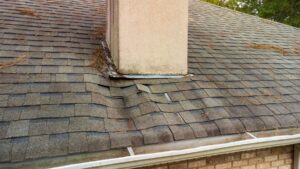
- Missing, buckled, or warped exterior shingles
- A persistent musty odor in your upper rooms
- Expanding brown water stains on interior walls or ceilings
- Water spots forming on exterior siding
- Popcorn ceilings falling off or bubbling interior paint
For a precise evaluation without the safety risks of navigating a wet attic, schedule a professional roof inspection to pinpoint hidden structural water damage.
Step 2: Apply an Emergency Interior Patch
Sealing a leaky spot from the inside requires the right materials and proper timing. After locating the affected area, wait until the rain has subsided and the interior wood has dried slightly, as excessively wet surfaces will ruin the tar’s adherence.
Draw a small circle around the affected spots using chalk. This isolation tactic is highly effective when dealing with multiple leak points, allowing you to prep your materials and move quickly from spot to spot.
To create an effective temporary patch:
- Scoop a generous amount of roofing tar and press it onto a spare piece of shingle or scrap plywood.
- Use a putty knife or a flat scraper to trowel the material directly onto the leaking entry point on the underside of the roof deck.
- Ensure the tar patch entirely encircles the affected area, pressing firmly to guarantee a tight seal against the wet wood.
- Surround the edges of your plywood patch with standard caulking to prevent secondary dripping.
Remember, this step is merely temporary emergency containment to redirect water and protect your home’s interior.
To stop structural rot, you must immediately book a next-step emergency roof repair service to resolve the actual exterior breach.
Step 3: Assess the Exterior Damage (When the Coast is Clear)
Once you’ve successfully contained the leak from the inside, wait for a bright, dry day to inspect your roof from the outside. You should continue to monitor the interior attic space over the next few days to confirm you patched the correct spots. If light beams or water still penetrate the space, the patch failed or you missed the primary entry point.
For the exterior inspection, set up a secure ladder and have a spotter hold the base. Carefully investigate common failure points: missing shingles, heavily worn mineral granules, damaged chimney flashing, and exposed underlayment.
If you spot visible structural damage, contact a professional immediately through our city/regional roofing service hub. A local crew can secure the envelope of your home quickly to prevent further elemental compromise.
The Ultimate Dilemma: Is It Time to Repair or Replace?
While it is financially tempting to infinitely patch a roof, it’s not always the smartest line of action. Most homeowners eventually find themselves caught between paying for yet another repair or biting the bullet on a full replacement.
- Your Roof’s Age: Roofing materials have finite lifespans. Properly maintained metal roofs can last 50 to 70 years, while standard asphalt shingles tap out between 15 and 30 years.
If your asphalt roof is nearing the 20-year mark, you should be planning a replacement. Watch for end-of-life signs like curled shingles, excessive granules filling your gutters, noticeable roof sag, and blistering surface textures.
- Your Current Budget: A full roof replacement is a capital-intensive project requiring financial planning. Minor repairs are ideal if you’re on a strict budget, or you can opt for restorative roof coatings to buy a few extra years.
If immediate replacement is structurally necessary but out of budget, visit our financing and insurance claims assistance page to explore flexible, low-interest payment options.
- The 30/80 Rule: When calculating repair-versus-replace criteria, industry experts suggest a simple formula: if a repair costs more than 30% of a new roof installation, or if your current roof is past 80% of its expected lifespan, a full replacement is the more financially sound decision in the long run.
- Your Long-Term Plans: A quick repair is a logical choice if you plan to sell the house in the next 24 months. However, a full replacement offers critical peace of mind (and a transferable warranty) if you intend to stay for another decade.
To read more about maximizing your property value before a sale, see our guide on how a new roof increases home value.
Rapid-Fire FAQs: Navigating Your Roof Leak Emergency
How Can I Locate a Hidden Leak on My Roof?
Beyond physically checking the attic on rainy or sunny days, professionals often use infrared moisture meters and thermal imaging cameras to detect the exact level of moisture retained underneath the underlayment, identifying leaks invisible to the naked eye.
How Much Does It Actually Cost to Fix a Leaky Roof?
The cost to fix a roof leak scales based on the material and the extent of the water damage. Fixing a few asphalt shingles is highly affordable, while repairing specialized materials like slate or custom tile will require highly skilled, specialized labor that drives up the final invoice.
What Should I Do if I Find Leaks Actively Dripping From My Ceiling?
Contact a trusted, localized professional roof repair company like Wegner Roofing & Solar immediately. Allowing water to sit will rot your framing, destroy your drywall, and exponentially increase your repair bill.
If you are dealing with a massive structural failure or a collapsed ceiling, please utilize these local emergency mitigation services and city relief links while waiting for your roofer to arrive
Table of Contents
Categories
Latest Posts
October 20, 2026
Roof replacement cost is not determined by roof area alone. Two properties with similar footprints can require different materials, tear-off work, repairs, access planning, and
October 19, 2026
Cedar Shake Roof Replacement Costs in Bozeman If your Bozeman home still carries its original cedar shake roof, you already know the material has a
October 19, 2026
Learn how roof type, attachment, flashing, roof age, and future maintenance affect a solar project on a metal roof before you plan installation.
October 16, 2026
Wind-Damaged Siding in Billings: Repair or Re-Side? If a windstorm just ripped panels off your house, you are probably asking the question most Billings homeowners