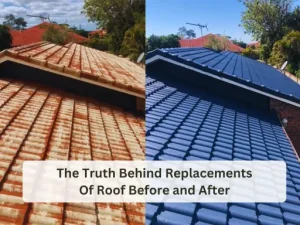
When your roof starts showing signs of wear and tear, it can be difficult to know whether it’s time for a full replacement or if a few repairs will suffice. Over time, minor issues like leaks, missing shingles, or water stains can turn into much bigger problems. If you’re finding yourself asking whether your roof needs replacing, you’re not alone. Many homeowners are unsure whether to opt for repairs or go for a full roof replacement. But here’s the truth: the state of your roof affects the safety and efficiency of your home. In this blog, we’ll take a closer look at what a roof before and after replacement can look like and how you can tell if it’s time to move forward with a new roof. We’ll also guide you through understanding your roof’s health and the benefits of roof photos to track its condition.
What to Expect with Roof Before and After Results
When considering a roof replacement, it’s helpful to look at before and after photos. They give you a clear understanding of what a new roof can do for your home. A fresh, new roof brings more than just aesthetics—it ensures better protection, increased energy efficiency, and overall peace of mind. Below are some common roof problems that lead homeowners to consider re-roofing and how the after results look:
The Roof Before Common Signs of Wear and Tear
Your roof might not always show immediate signs of damage, but over time, wear and tear are inevitable. Signs that your roof needs attention include:
- Damaged or Missing Shingles: A roof with broken, curled, or missing shingles isn’t just unsightly; it’s less effective at protecting your home from the elements.
- Leaks: Leaks are among the first signs of a roof’s failure, often leading to more serious water damage to the interior.
- Sagging Roof: If your roof looks like it’s sagging in areas, it’s time to call in a professional roofers or search on Google roofing contractors near me. This is a sign of structural damage.
- Granule Loss: Roof shingles with granules that are chipped off can cause the material to weaken, exposing the underlying layers to further damage.
The Roof After Reaping the Benefits of a New Roof
When the decision is made before and after the new roof, the difference is clear. A new roof enhances curb appeal, provides better insulation, and protects against water damage. Let’s take a closer look at the transformation:
- New Roof Aesthetics: The most obvious difference between a new roof and an old one is the visual appeal. A fresh layer of shingles or a new roofing system gives your home an updated, modern look.
- Improved Energy Efficiency: Modern roofing materials, such as cool roofs, reflect heat more efficiently, reducing your home’s cooling costs in summer.
- Better Protection: A new roof is stronger and more reliable. It can withstand harsh weather conditions like snow, rain, and strong winds better than an aging roof.
- Increased Property Value: Not only does a new roof boost curb appeal, but it also increases your property’s market value.
Roof Replacement: How to Know It’s Time
The decision to replace your roof is not always an easy one. So, how do you know when it’s the right time to move forward? Here are key signs to watch for:
Age of the Roof
If your roof is over 20 years old, it’s likely time for a replacement. The materials may have deteriorated over the years, making repairs less effective. For example, asphalt shingles typically last 20-25 years, while metal roofs may last 40-70 years.
Roof Damage
If your roof has sustained significant damage from storms, such as hail or high winds, a roof replacement might be the best course of action. Significant leaks, rot, or water damage can also be a good indicator that it’s time for a new roof.
Increasing Repair Costs
If you’re frequently calling a roofing contractor for repairs, it may be more cost-effective in the long run to replace the roof altogether. Frequent patching can add up quickly.

Before and After Roof Replacement: What You’ll Get
Let’s take a deeper look at how a roof replacement improves your home, considering the primary and secondary benefits that come with investing in a new roof:
Better Protection from the Elements
A roof replacement provides enhanced protection against weather conditions such as rain, snow, and high winds. Newer roofing materials, like architectural shingles or metal roofing, can stand up to more intense weather events and keep your home dry.
Energy Efficiency and Insulation
An old roof may not provide the same insulation as a newer one. A new roof typically improves your home’s insulation, which can reduce your heating and cooling bills. If your roof has gaps or leaks, air may escape, forcing your HVAC system to work harder. With a new roof, your home will retain heat better during winter and stay cooler in summer.
Boosted Home Value
Replacing an old roof with a new one significantly increases the value of your home. If you’re planning to sell in the future, a new roof can be a selling point that appeals to buyers. It shows that the property has been well-maintained, which can lead to higher offers.
Peace of Mind
The peace of mind that comes with knowing your home is protected by a reliable, solid roof is invaluable. A new roof eliminates worries about leaks, water damage, and expensive repairs.
The Importance of Roof Photos: Documenting Your Roof’s Condition
One of the most valuable things you can do when considering a roof replacement is to document your roof’s condition through photos. Roof photos are an excellent way to track wear and tear over time. Here’s how they can help:
- Before and After Comparisons: Photos help you visually compare the roof before and after the replacement. This can be helpful for insurance purposes, home sales, or just as a reference for future repairs.
- Assessing Damage: Taking pictures of your roof’s damage allows you to discuss the issue with contractors more effectively. It’s also useful for assessing whether a full replacement is necessary or if minor repairs will suffice.
- Insurance Claims: Roof photos are essential when filing an insurance claim for roof damage. They show the extent of the damage, making it easier to get approval for repairs or replacements.
Post-Winter Roofing Checklist: Maintaining Your New Roof
After a harsh winter, it’s essential to check the condition of your roof. Winter weather can be hard on your roof, causing wear and tear that might not be immediately noticeable. Here’s a checklist for homeowners after the snow melts:
Inspect for Ice Dams
Ice dams can form on your roof during the winter months. These can cause water to back up under the shingles and leak into your home. Make sure your roof is free from any ice dams after the winter season.
Clean Gutters and Downspouts
Ensure your gutters are clean and free of debris. Clogged gutters can lead to water damage, especially during the spring thaw. Cleaning them after winter ensures proper drainage and protects your roof.
Look for Missing Shingles
Check your roof for missing or damaged shingles. High winds during winter storms can blow shingles off, leaving your roof exposed to the elements. Missing shingles should be replaced promptly to prevent leaks.
Inspect Flashing and Sealant
Check the flashing around your chimney, vents, and skylights. Damaged flashing or sealant can allow water to leak into your home. Replacing or resealing these areas can prevent leaks and prolong your roof’s lifespan.
Conclusion:
When you consider the difference between roofs before and after, the transformation is more than just aesthetic. A new roof provides long-term benefits such as enhanced protection, energy efficiency, and increased property value. Whether you’re facing frequent repairs, leaks, or an aging roof, replacing it with a new roof is an investment that pays off. Don’t wait until it’s too late—take action now to ensure your home is safe, secure, and well-protected
FAQs
How long does a roof replacement take?
The duration depends on the roof size and material. On average, a standard roof replacement takes 1–3 days. Larger or more complex roofs may take longer.
Will a new roof increase my home’s value?
Yes, a new roof can significantly boost your home’s curb appeal and resale value. It shows buyers that the home has been well-maintained, making it a valuable selling point.
Can a new roof help lower my energy bills?
Absolutely! Modern roofing materials offer better insulation and reflect heat more efficiently, helping reduce your heating and cooling costs throughout the year.
What are the signs that my old roof is failing?
Common signs include missing or damaged shingles, frequent leaks, sagging areas, and granule loss. If you notice any of these issues, it’s time to consult a roofing professional.
What roofing materials are best for energy efficiency?
Materials like metal roofing, cool roofs, and asphalt shingles with reflective coatings can improve energy efficiency by reflecting heat and keeping your home cooler.