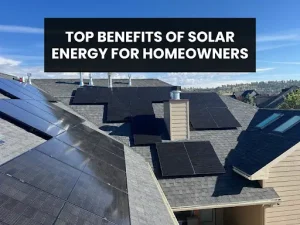
Solar energy isn’t a trend. It is a real solution for homeowners. It helps them cut costs, support the environment, and boost their property’s value. This article will explore the top benefits of solar energy. It is becoming a must-have investment for many homeowners today.
Lower Energy Bills
The best benefit of solar energy is the big cut in utility bills. Solar panels let homeowners generate their own electricity. This reduces reliance on traditional power sources. This means immediate savings and a more predictable energy cost each month. Over time, these savings can add up. So, solar panels are a smart financial choice. Homeowners who switch to solar report saving thousands on their electric bills.
According to the U.S. Department of Energy, solar panels can offset an average of 90% of a household’s energy use. This means saving about $1,500 a year. It depends on local utility rates and the size of the solar system.
Tip: Did you know that solar panels can continue to produce power on cloudy days? They work best in direct sunlight. But, they can still generate electricity in less-than-ideal conditions.
Increased Home Value
Another major advantage of solar energy is its positive impact on home value. There is a high demand for homes with solar energy systems. Eco-conscious buyers and those seeking long-term savings drive this trend. The NREL says homes with solar panels sell 20% faster and for 4% more than those without.
Higher property values can make solar panels a good investment. This is true whether you plan to sell soon or not. Solar homes, with their financial benefits and green appeal, shine in a competitive market.
Environmentally Friendly Energy Sources
Opting for solar energy is one of the best ways homeowners can reduce their carbon footprint. Unlike fossil fuels, solar power is clean, renewable, and abundant. This shift from non-renewable energy helps fight climate change and cut emissions. The EPA says a solar-paneled home can cut CO2 emissions by 3 to 4 tons a year. That’s like planting over 100 trees each year.
Tip: Solar panels don’t cut down on greenhouse gas emissions. They help decrease air and water pollution. They do this by reducing the need for power plants to produce electricity.
 Eligibility for Financial Incentives and Tax Benefits
 Eligibility for Financial Incentives and Tax Benefits
Many homeowners overlook the variety of financial incentives available when considering solar energy. Incentives, like federal tax credits and state rebates, can lower solar panel installation costs. The federal solar tax credit, or ITC, lets homeowners deduct some solar installation costs from their taxes. These incentives make solar more affordable. They can greatly shorten the payback period for the investment.
Depending on where you live, state incentives can add further savings. Some states have solar renewable energy certificates (SRECs). They allow homeowners to sell excess power to the grid for cash.
Reliable and Renewable Energy Sources
Solar panels harness the sun’s power. It is a renewable, daily resource. Unlike fossil fuels that may run out or become scarce, the sun’s energy is virtually limitless. Once installed, solar panels can provide electricity for 25-30 years, often with minimal maintenance. This long lifespan ensures a steady energy supply that homeowners can rely on for decades.
Advantages of solar energy also include energy independence. By producing your own power, you are less vulnerable to fluctuations in energy prices and potential outages. This reliability gives homeowners peace of mind, especially in regions where energy disruptions are common.
Reduced Dependence on Traditional Energy Sources
By choosing solar, homeowners can reduce their dependence on traditional energy sources that are both finite and often subject to price spikes. Solar energy allows for more consistent energy costs, as you are producing power directly from your own home. This stability is a major relief for those concerned about the future costs and availability of traditional energy.
Moreover, using solar panels to supplement or replace traditional energy sources helps lower the demand for non renewable resources. The advantages of solar energy extend beyond the home, contributing to a more sustainable and balanced energy grid.
Insurance Benefits and Claims for Roof Damage
Homeowners should consider how installing solar panels can impact their insurance. Most standard policies cover solar panels. But, ensure full protection. After a storm, coverage for your solar system can be critical. Discussing an insurance claim for roof damage with your provider is an essential step in the installation process. It protects your solar investment. It also keeps your home safe under full coverage.
 Key Benefits of Solar Energy at a Glance
 Key Benefits of Solar Energy at a Glance
- Lower energy bills for consistent monthly savings.
- Increased home value for better resale potential
- Environmental impact with reduced carbon emissions.
- Financial incentives and tax credits
- Reliability with a long system lifespan.
- Energy independence from fluctuating energy prices.
Conclusion
Switching to solar energy can transform your home by reducing costs, adding value, and contributing to a healthier planet. The benefits of solar energy far outweigh the initial investment, making it an attractive option for homeowners. If you are considering making the switch, do not wait to explore how solar energy can redefine your home’s energy future.
Ready to harness the power of the sun and enjoy the benefits of solar energy? Contact Wegner Roofing & Solar today to learn more and start your journey toward a more sustainable home.
FAQs
What are the benefits of using solar energy in your home?
Solar energy reduces utility bills, increases home value, and lowers your carbon footprint.
What is the biggest benefit to solar?
The biggest benefit is the significant cost savings and energy independence it provides.
Do solar panels really save homeowners money?
Yes, homeowners can save thousands over the lifespan of their solar panels.
What are the pros and cons of residential solar?
Pros include cost savings, increased home value, and environmental benefits. Cons may involve initial costs and roof space requirements.
How Sustainable Is Solar Energy?
Solar energy is highly sustainable as it relies on an infinite power source: the sun.
Who Should Use Solar Energy?
Homeowners looking to cut energy costs, reduce their carbon footprint, and improve home value should consider solar energy.
Is Solar Energy Worth the Cost?
Yes, while the initial investment can be high, the long-term benefits often justify the expense.