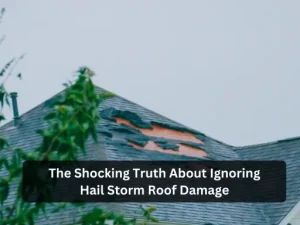
Imagine this a severe hailstorm hits your area. You hear the pounding of ice on your roof, but once the storm passes, you breathe a sigh of relief, thinking your roof is fine. Days go by, then weeks, and you forget about the possible hail damage, assuming everything is okay. But what if that “small” dent or crack you ignored is silently causing significant damage? Ignoring hail storm roof damage can lead to bigger, costlier problems down the line. From leaks to structural integrity risks, neglecting early signs of damage could leave you with much more than a small repair bill.
What Exactly Is Hail Storm Roof Damage?
Hail storm roof damage refers to the damage caused by hailstones striking your roof with significant force. While some may appear as harmless dents, they can seriously affect your roof’s ability to protect your home from weather elements. Over time, even small damage can cause leaks, insulation issues, and even more severe structural damage, leaving your home vulnerable to further harm. To minimize the damage, consider hail-proof roofing materials that can help reduce the risk.
How Hail Damages Your Roof
Hail impacts different types of roofing materials in various ways. Here’s how hail can damage your roof:
Asphalt Shingles
When hailstones hit asphalt shingles, they can leave dents or bruises that compromise the shingles’ ability to shed water. These damages can lead to leaks and allow water to seep into your home’s structure, causing further issues. Over time, hail damage can weaken the integrity of your roof and make it more susceptible to further wear and tear. If you want to understand how to make your roof more resistant to hail damage, consider exploring our Hail Proof Roofing guide.
Metal Roofs
Metal roofs, while durable, are not immune to hail. Hailstones can leave marks or dents on metal roofs, weakening the protective coating. Over time, the protective layer may peel or rust, leading to faster deterioration and the need for repairs.
Commercial Roofs
For commercial buildings with flat roofs or other materials, hail damage can be even more dangerous. It can cause punctures or severe dings that allow water to collect, leading to costly repairs.
Signs of Hail Damage on Roof
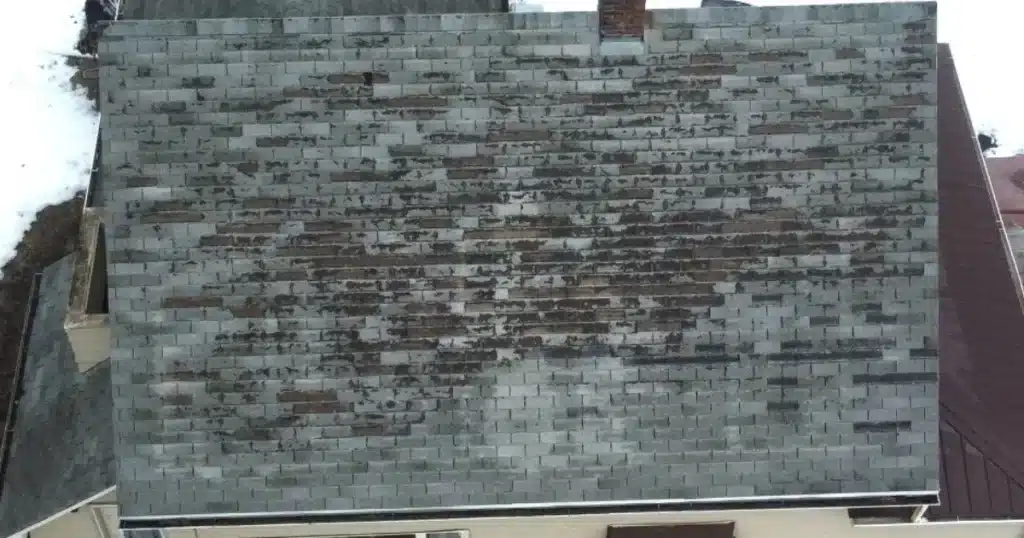
It’s easy to dismiss minor dents, but knowing the signs of hail damage is critical to avoiding costly repairs later. Here are the common signs of hail damage to look out for:
- Visible Dents or Cracks: Inspect shingles or roofing materials for any visible marks, bruises, or cracks that weren’t there before the storm.
- Granule Loss: Asphalt shingles may show signs of granule loss, where small pieces of the shingle have chipped away.
- Water Stains: If you notice water spots on your ceiling or attic, it could be a sign of hail damage that leads to leaks.
- Damaged Flashing: Flashing, which seals around roof joints, vents, and chimneys, may become cracked or bent after a hailstorm.
Roof Inspection After Hail Storm
After a hailstorm, it’s important to get a roof inspection. A professional roof inspection will help identify hidden damage that might not be visible from the ground. Hiring a certified roofing contractor ensures that all areas, including hard-to-reach spots, are thoroughly checked. Don’t forget to check out our Roof Replacement Services to explore options if your roof needs replacement due to hail damage.
Hail Damage Roof Inspection Tips
- Look for dents, cracks, or granule loss on shingles.
- Inspect flashing, gutters, and vents for signs of damage.
- Check your attic for water stains or signs of leaks.
- Schedule a professional roof inspection to ensure thorough evaluation.
Risk of Damage from Hail
Hailstorms don’t discriminate. They can cause significant damage to any roof, regardless of material. The risk of roof damage from hail increases with larger hailstones and stronger winds. Even small hail can cause lasting issues if the storm is severe enough. Regular roof maintenance and inspections can reduce your risk of dealing with serious problems later on.
The Cost of Hail Damage Roof Repair
The cost of repairing hail damage can vary depending on the extent of the damage, your roof type, and your location. Minor repairs may cost a few hundred dollars, while significant damage requiring roof replacement could cost thousands. On average, hail damage roof repairs range from $1,000 to $5,000, but it’s always best to get a professional estimate after an inspection.
Insurance and Hail Damage: Are You Covered?
After a hailstorm, you may be wondering if your insurance will cover hail damage repairs. The answer depends on your policy. Most homeowner’s insurance policies cover hail damage, but there are exceptions. It’s crucial to check with your insurer to understand your coverage and how much of the repair cost you may be responsible for.
Filing a Roof Hail Damage Insurance Claim
Filing an insurance claim for hail damage can be a straightforward process, but it’s important to take a few key steps to ensure you receive the compensation you’re entitled to:
- Document the Damage: Take photos of the hail damage and make notes of any visible issues.
- Get a Professional Roof Inspection: Hire a certified roofer to assess the damage and provide a written estimate.
- Contact Your Insurance Company: Call your insurance provider and explain the situation. Share the inspection report and photos.
- Follow Through on Repairs: Once your claim is approved, proceed with repairs quickly to prevent further damage.
Roof Replacement After Hail Damage
In some cases, hail damage may be severe enough to warrant a full roof replacement. If your roof has been significantly impacted, it might be more cost-effective to replace it rather than constantly repairing it. Roof replacement can improve the overall protection of your home, and you may even want to consider installing hail-resistant roofing materials to reduce future damage.
Best Roofing Materials for Hail-Prone Areas
If you live in an area prone to hailstorms, consider replacing your roof with materials designed to withstand impact. Some of the best roofing materials for hail-prone areas include:
- Impact-Resistant Shingles: Specially designed to resist damage from hail and high winds.
- Metal Roofing: Metal roofs are durable and often dent-resistant, making them a good choice for hail-prone regions.
- Concrete or Clay Tiles: These materials are strong and resistant to hail damage.
Preventing Roof Hail Damage
While you can’t control when a hailstorm will strike, there are steps you can take to reduce the risk of hail damage to your roof:
- Install Hail-Resistant Roofing Materials: Upgrade to impact-resistant shingles or metal roofing.
- Regular Roof Maintenance: Keep your roof in good condition by performing routine inspections and repairs.
- Trim Nearby Trees: Overhanging branches can cause additional damage during a storm.
- Install Roof Guards: Some protective systems can help shield your roof from direct hail impact.
Conclusion
Ignoring hail storm roof damage is a mistake that can lead to serious, costly consequences. Whether it’s minor roof hail damage or a more severe case, prompt repairs and inspections are essential to protecting your home. Don’t wait until it’s too late – take action today to fix any hail damage and protect your home from future storms. Whether it’s getting an insurance claim, repairing the roof, or upgrading to hail-resistant materials, acting quickly will save you money and stress in the long run.
This is especially true across Middle Tennessee, where hailstorms tracking down the I-65 corridor from Nashville regularly impact Williamson County communities. Franklin TN homeowners who delay post-hail roof inspections risk voiding their insurance coverage window most Tennessee policies require documentation within 12 months of the damage event. Don’t wait for a ceiling stain to confirm what a professional hail damage inspection in Franklin can catch early.