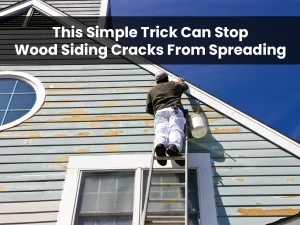
You notice a small crack in your wood siding and think, It’s just a minor issue. I’ll fix it later. Weeks pass, and that tiny crack grows, leading to costly repairs, water damage, and even pest infestations. By the time you act, it’s too late. The good news? There’s a simple trick to stop wood siding cracks from spreading, saving you time and money. Let’s dive into what causes these cracks, how to fix them, and, most importantly, how to prevent them.
What Causes Wood Siding Cracks?
Wood siding cracks don’t just appear overnight. Understanding the root causes can help prevent future damage.
1. Weather Extremes
Rapid temperature changes cause wood to expand and contract, leading to cracks over time. During hot summer days, wood expands, and when temperatures drop, it contracts, eventually causing stress fractures. In regions with harsh winters or intense sun exposure, siding cracks are even more common.
2. Moisture Damage
Excess moisture weakens wood fibers, making them more susceptible to splitting. When wood absorbs water from rain, snow, or humidity, it swells, and as it dries, it shrinks. This constant expansion and contraction put pressure on the siding, leading to cracks. Over time, trapped moisture can also lead to mold and rot, further deteriorating the wood.
3. Poor Installation
If siding boards are not properly spaced or fastened, stress points can develop, causing cracks. Improper nailing techniques, such as overdriving nails, can create weak points in the wood. Additionally, using low-quality fasteners that corrode over time can contribute to siding cracks.
4. Age and Wear
Over time, even the best-maintained wood siding will show signs of aging, leading to small cracks that can grow. As wood naturally dries out with age, it becomes more brittle and prone to splitting. Regular exposure to sun, wind, and precipitation accelerates this process.
5. Pest Infestation
Termites and wood-boring insects weaken the wood, leading to cracks and other structural issues. These pests tunnel through the wood, leaving behind hollowed-out areas that compromise the siding’s integrity. If left untreated, a minor pest problem can result in widespread damage.
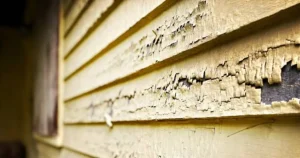
The Simple Trick to Stop Wood Siding Cracks from Spreading
One of the easiest and most effective ways to stop wood siding cracks from spreading is sealing them immediately using a high-quality wood siding crack filler and sealant.
Step-by-Step Guide to Repairing Wood Siding Cracks
Follow these simple steps to fix cracks before they worsen:
Step 1: Clean the Cracked Area
Remove dirt, debris, and loose paint using a wire brush or sandpaper. This ensures proper adhesion of the filler. Cleaning the area also helps reveal the full extent of the damage, allowing for a more accurate repair.
Step 2: Choose the Right Wood Siding Crack Filler
Use a flexible, weather-resistant filler that expands with the wood to prevent future cracking. Avoid using generic fillers that harden too much, as they may crack again when the wood moves.
Step 3: Apply the Filler
Using a putty knife, press the filler firmly into the crack. Smooth it out to match the siding surface. Make sure to slightly overfill the crack, as some fillers shrink slightly when they dry.
Step 4: Let It Dry Completely
Follow the manufacturer’s drying time before sanding or painting. Drying times may vary based on humidity and temperature, so check the product instructions carefully.
Step 5: Seal the Area
Use the best sealant for wood siding cracks to protect against moisture and further damage. A high-quality sealant prevents water from seeping into the repaired area, extending the lifespan of the siding.
Step 6: Repaint for a Seamless Finish
Once sealed, repaint the area to blend with the rest of the siding. This not only improves appearance but also adds another layer of protection against weather damage.
Preventative Measures for Wood Siding Cracks
Preventing cracks is easier (and cheaper) than repairing them. Follow these tips to keep your wood siding in top shape.
1. Regular Inspections
Conduct a wood siding inspection guide twice a year to catch early signs of damage. Walk around your home, checking for any visible cracks, warping, or peeling paint. Addressing small issues early can prevent costly repairs later.
2. Keep Moisture Away
Ensure proper drainage around your home to prevent excess water exposure. Installing gutters, downspouts, and proper landscaping can help direct water away from the siding. If your home is in a humid area, consider using a dehumidifier inside to reduce indoor moisture levels.
3. Use High-Quality Paint and Sealant
Repaint and reseal your siding every few years to maintain protection. Choose a high-quality, exterior-grade paint that offers UV protection. Sealing the wood helps lock out moisture and reduces the chances of cracks forming.
4. Maintain a Stable Indoor Climate
Using a humidifier during dry seasons can prevent excessive shrinking and cracking. Wood is sensitive to changes in humidity, so keeping indoor conditions stable helps maintain its natural moisture balance.
5. Address Pests Immediately
Look for wood siding damage signs like sawdust piles or small holes, which indicate insect activity. Using a pest control professional can prevent termites and carpenter ants from causing major structural issues.
Wood Siding Repair Methods: DIY vs. Professional Help
If the crack is small, fixing cracks in wood siding can be a simple DIY job. However, for larger cracks or structural damage, consider hiring wood siding crack repair services to avoid costly mistakes.
DIY Repairs
For minor cracks, homeowners can use wood siding crack repair products like wood filler, caulk, and sealants. This method is budget-friendly and can be completed in a few hours.
Professional Repairs
Larger cracks, water damage, or widespread siding issues may require professional help. Experts have access to advanced wood siding repair methods and tools to ensure a long-lasting repair.
Wood Siding Crack Repair Cost
- Minor DIY Repairs: $10–$50 for fillers and sealants.
- Professional Repairs: $150–$500 depending on damage size.
- Full Panel Replacement: $1,000+ for extensive damage.
Signs Your Wood Siding Needs Repair
If you notice any of these common issues with wood siding, it’s time for action:
- Peeling paint or discoloration;
- Warped or buckling panels;
- Soft or rotting wood;
- Persistent moisture buildup
- Visible cracks or gaps
Ignoring these signs can lead to expensive replacements.
Best Practices for Maintaining Wood Siding
Following wood siding maintenance tips can extend the life of your siding.
- Clean your siding annually with mild soap and water.
- Reseal and repaint every 3–5 years.
- Trim nearby trees to prevent physical damage.
- Inspect after extreme weather for early wood siding crack prevention.
Final Thoughts
Wood siding cracks may seem minor, but they can quickly lead to costly damage if ignored. By using the best sealant for wood siding cracks and taking preventative measures, you can keep your siding strong and beautiful for years. Whether you choose a DIY fix or hire professionals, acting now will save you money and protect your home’s value.
FAQs:
Q.1 Is it normal for wood siding to crack?
Yes, wood siding can crack over time due to weather changes, moisture, and natural expansion and contraction of the wood.
Q.2 How do you fix cracked wood siding?
You can fix cracked wood siding by cleaning the crack, applying a wood filler or sealant, sanding it smooth, and repainting or sealing for protection.
Q.3 Does cracked siding need to be replaced?
Minor cracks can be repaired, but large or deep cracks may require replacing the damaged section to prevent further deterioration.
Q.4 Is it normal for a wood post to crack?
Yes, wood posts can develop cracks, known as “checking,” due to drying and shrinking, but they usually don’t affect structural integrity.