It’s the middle of winter, and your home still feels cold despite cranking up the heat. You check the walls and doors, but the real culprit? Your windows. Poorly insulated windows can be responsible for up to 30% of heat loss in a home, leading to skyrocketing energy bills.
Now, imagine replacing those old, drafty windows with energy-efficient windows that keep warmth inside, reduce energy consumption, and create a more comfortable living space. Sounds like a game-changer, right? Let’s explore why your windows are the first line of defense in home insulation and how they impact energy efficiency.
How Does Windows Impact Home Insulation?
Windows plays a crucial role in home insulation by controlling the transfer of heat between your home’s interior and the outside environment. Poorly insulated windows allow heat to escape in winter and let in excessive heat during summer, forcing your HVAC system to work harder.
Why Old Windows Fail at Insulation
- Single-pane glass: Lacks insulation and allows heat to pass through easily.
- Weak seals: Small gaps around frames let cold air in and warm air out.
- Inefficient materials: Older window frames made of metal conduct heat and cold.
Upgrading to better-insulated windows can make a huge difference in maintaining consistent indoor temperatures and reducing energy costs with windows.
Best Types of Windows for Energy Efficiency
Choosing the right windows can significantly improve home insulation. Here’s what you should consider:
Double-Pane vs. Triple-Pane Windows
- Double-pane windows: Have two layers of glass with an insulating gas in between, providing decent insulation.
- Triple-pane windows feature three layers of glass and offer superior insulation, making them ideal for extreme climates.
If you’re debating between the two, triple-pane windows provide better energy savings in the long run but come at a higher cost.
Best Window Materials for Insulation
- Vinyl: affordable, low maintenance, and provides decent insulation.
- Fiberglass: more expensive but highly durable and excellent for insulation.
- Wood: Traditional and effective but requires more upkeep.
- Composite: A blend of materials that offers both durability and insulation.
Choosing the best windows for insulation depends on your budget, climate, and energy-saving goals.
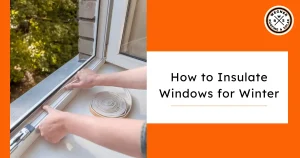
How to Insulate Windows for Winter
As winter approaches, proper window insulation can prevent heat loss and reduce your heating costs. Here are some effective methods:
1. Window Sealing Techniques for Insulation
- Weatherstripping: Adds a protective layer to prevent drafts.
- Caulking: Seals small cracks around the frame to block air leaks.
- Expanding foam: Fills large gaps for extra insulation.
2. Using Window Insulation Film
Applying a thin plastic film over windows creates a barrier that reduces heat loss without obstructing your view. This is a quick and affordable way to insulate windows for winter.
3. Installing Energy-Efficient Window Treatments
- Cellular shades trap air in their honeycomb structure for better insulation.
- Thermal curtains: thick fabric curtains that block cold air.
- Exterior storm windows: Provide an additional layer of protection.
These methods help prevent heat loss through windows while improving indoor comfort.
The Science Behind Energy-Efficient Windows
Modern energy-efficient windows incorporate advanced technologies that enhance insulation and reduce energy waste.
Low-E Glass Windows
Low-emissivity (Low-E) glass has a thin coating that reflects heat into your home in winter and blocks excessive heat in summer. This helps maintain a stable indoor temperature, reducing strain on your HVAC system.
Argon Gas-Filled Windows
Instead of regular air, argon gas-filled windows use dense gas between glass panes to minimize heat transfer. This improves insulation without compromising visibility.
Heat-Resistant Window Coatings
Some coatings block infrared rays, preventing excess heat from entering while allowing natural light through. This reduces cooling costs in the summer months.
How Much Can Insulated Windows Save on Energy Bills?
One of the biggest concerns homeowners have is whether investing in insulated windows is worth it. The answer? Yes!
Energy Savings Breakdown
- Properly insulated windows can cut heating and cooling costs by 20–30%.
- Homes with older, single-pane windows can save up to $500 per year after upgrading.
- Triple-pane windows can provide even greater savings in extreme climates.
When considering window replacement for energy savings, it’s important to factor in the long-term reduction in energy bills.
Government Rebates for Energy-Efficient Windows
Many local and federal programs offer rebates and tax credits for homeowners who install energy-efficient windows. These incentives help offset the initial costs and make home energy efficiency upgrades more affordable.
How to Qualify for Window Rebates
- Purchase windows with an ENERGY STAR® rating.
- Ensure proper installation to meet efficiency standards.
- Check with your local government or energy provider for rebate programs.
Taking advantage of these rebates can make upgrading to smart windows for energy savings even more cost-effective.
Passive Solar Design: Using Windows to Your Advantage
Windows don’t just prevent heat loss—they can also help heat your home naturally.
How Passive Solar Design Works
- South-facing windows allow sunlight to warm your home during the winter.
- Window overhangs or shades prevent overheating in summer.
- Using thermal mass materials (like stone or brick) helps store and release heat gradually.
This strategy reduces reliance on artificial heating and cooling, leading to significant energy savings.
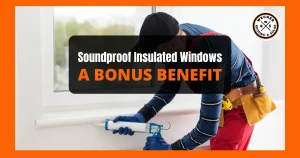
Soundproof Insulated Windows: A Bonus Benefit
In addition to improving energy efficiency, insulated windows also provide soundproofing benefits.
Why Choose Soundproof Insulated Windows?
- Reduces outside noise: great for homes near busy roads or airports.
- Creates a quieter, more comfortable living space.
- Maintains indoor temperatures better than traditional windows.
If noise pollution is a concern, investing in insulated windows with soundproofing properties can greatly enhance home comfort.
Choosing the Best Window Brands for Insulation
When shopping for the best window brands for insulation, consider factors like:
- Energy efficiency ratings
- Durability of materials
- Warranty coverage
- Customer reviews
High-quality window brands might cost more upfront, but they offer better insulation, reducing long-term energy costs.
Cost vs. Benefits of Energy-Efficient Windows
While energy-efficient windows require an initial investment, the long-term benefits make them a smart financial decision.
Cost Considerations
- Standard double-pane windows: $300–$800 per window
- Triple-pane windows: $500–$1,500 per window
- Installation costs: Varies based on labor and materials
Long-Term Benefits
- Lower energy bills
- Increased home value
- Better indoor comfort
- Less strain on your heating and cooling systems
If you live in areas with extreme weather, the benefits far outweigh the costs.
Conclusion
Your windows are the first line of defense against heat loss and energy waste. Whether you’re looking to upgrade to Low-E glass windows, install argon gas-filled windows, or apply window insulation film, small changes can lead to big savings.
For homeowners in Bozeman, Montana, home window repair in Bozeman, Montana, is a great way to maintain insulation performance. And if you’re considering an upgrade, window replacement for energy savings can significantly reduce your heating and cooling costs over time.
Invest in the right windows today and enjoy a warmer, more energy-efficient home for years.
FAQs
Q.1 How do modern windows improve home insulation?
They use double or triple glazing, Low-E coatings, and argon gas fills to reduce heat loss and improve energy efficiency.
Q.2 What are the best types of windows for energy efficiency?
Triple-pane windows offer the best insulation, but double-pane windows with Low-E glass and argon gas are also highly effective.
Q.3 How much energy can insulated windows save per year?
They can cut heating and cooling costs by 20–30%, saving homeowners up to $500 annually, depending on climate and window type.
Q.4 What is Low-E glass, and how does it help with insulation?
Low-E glass has a thin coating that reflects heat, keeping warmth inside during winter and blocking excess heat in summer.
Q.5 Are triple-pane windows worth the investment?
Yes, they provide better insulation, noise reduction, and energy savings, especially in colder climates, but come at a higher cost.