Iowa and Montana homeowners often hear myths about solar energy that leave them confused and uncertain. From claims that solar doesn’t work in colder climates to rumors about high costs, these misconceptions create unnecessary roadblocks for families looking to switch to clean, renewable energy.
At Wegner Roofing & Solar, we are here to bust these solar power myths and give you the facts to make an informed decision about whether solar is right for you.
Breaking Through the Myths About Solar Energy in Montana and Iowa
Imagine you’re a homeowner in Billings or Bozeman, Des Moines, or Cedar Rapids, considering installing solar panels to cut down on your energy bills and contribute to a greener future. You’ve heard both good and bad things about solar energy, but it’s hard to separate the truth from the noise. One day, your neighbor tells you that solar panels don’t work in cold climates like Montana. Another friend claims the upfront costs are outrageous and you’ll never see a return on investment. These are solar power myths that prevent many people from realizing the incredible benefits of going solar in Montana.
So, what’s the truth? Let’s address these misconceptions head-on and break down some of the myths about renewable energy that hold many homeowners back from taking advantage of solar power.
Solar Panels Don’t Work in Cold or Snowy Climates
One of the most widespread solar energy myths is that solar panels are ineffective in places like Montana due to cold winters and snowy conditions. Many assume that solar panels need constant heat and bright sunlight to function efficiently. However, the truth is quite the opposite. Solar panels can actually perform better in colder temperatures because excessive heat can reduce the efficiency of the cells.
What matters most for solar energy production is the amount of sunlight, not the temperature. Montana’s long summer days and plentiful sunshine make it an excellent location for solar power. Based on PVWatts production assumptions, a typical roof size of roughly 700 sq. ft. in Montana can accommodate a system generating around 1,345 kWh per year per kW installed.
Even in winter, solar panels can generate enough energy to meet your home’s needs. Snow does not prevent solar panels from working either. Light can pass through the snow, and accumulation typically melts quickly because the panels’ dark surfaces absorb sunlight.
Reliable year-round energy production, potential electricity savings, and strong performance in cold temperatures are some of the main reasons solar may be right for your home. In areas like Billings and Bozeman, solar power is not only feasible but effective throughout the year. Solar power myths about Montana’s climate simply do not hold up to the facts.
Solar Energy Is Too Expensive
Another common solar power myth is the idea that installing a solar energy system is prohibitively expensive for the average homeowner. While there is an initial cost involved, solar technology has become much more affordable over the past decade. Advances in manufacturing and increased competition have driven prices down. Additionally, federal tax credits, state incentives, and local rebates are available to make solar energy more accessible.
In Montana, homeowners in Billings and Bozeman can take advantage of these financial benefits to significantly reduce the cost of installing solar panels. The return on investment (ROI) for solar systems is also worth considering. With rising electricity costs, many people see a reduction in their monthly utility bills, making solar energy a cost-effective solution in the long run.
However, to determine true value, we must look at transparent calculations based on 2026 utility rates and local incentives.
In Montana, the average utility rate is about $0.14 per kWh. A typical 5 kW system costs around $17,650 upfront. Factoring in Montana’s 10-year property tax exemption for the added value of the renewable energy system (up to $20,000), homeowners see an average payback period of 13.6 years.
In Iowa, the economics differ slightly. The average installation costs about $2.53 per watt (roughly $22,011 for a typical 8.7 kW system). Iowans benefit from a 6% state sales tax exemption and a 5-year property tax exemption, leading to an estimated payback period of about 13 years.
Crucially, homeowners must navigate the 2026 ownership landscape. However, the commercial solar tax credit remains available through 2027. This makes third-party ownership models, like solar leases or Power Purchase Agreements (PPAs), highly attractive, as the system owner can claim the commercial credit and pass savings onto you.
By eliminating or reducing your reliance on the grid, you protect yourself from future energy price increases. It’s clear that myths about solar panels being unaffordable simply aren’t true.
Solar Panels Require Too Much Maintenance
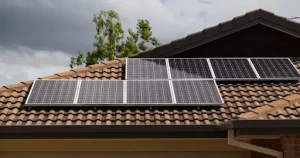
Many people are discouraged from installing solar energy systems due to the belief that solar panels require frequent maintenance and upkeep. This solar energy myth suggests that homeowners will be burdened with additional work and costs to keep their systems running. The reality is quite the opposite.
Solar panels are designed to endure harsh conditions and necessitate minimal maintenance. Before installation, it is crucial to assess your roof condition. Solar panels are designed to last 25+ years, so your asphalt shingles or metal roofing should ideally have at least 15–20 years of life left. Replacing a roof after panels are installed requires removing and reinstalling the system, which adds unnecessary costs.
With no moving parts, there’s little that can go wrong. A simple periodic cleaning to remove dust and debris will keep your panels operating at peak efficiency. In areas with snow, such as Montana, the snow usually slides off or melts quickly, so it doesn’t hinder performance. Any significant issues can be easily addressed by a professional solar installer like Wegner Roofing & Solar.
Solar Power Can’t Supply Enough Energy for My Home Without the Right Battery Options
A common concern for homeowners considering solar power is that solar panels won’t generate enough electricity to meet all of their household needs. This solar system myth often stems from a misunderstanding of how solar panels work and the capacity they can provide. The truth is, with the right system design, most homes can generate enough energy to significantly reduce or eliminate their utility bills.
In Montana, homes in areas like Billings and Bozeman receive ample sunlight throughout the year. Even during cloudy days, solar panels can still produce energy, albeit at a reduced capacity.
Both states have robust net metering programs. In Montana, NorthWestern Energy offers full retail net metering, meaning excess solar power is credited at the retail rate of electricity. In Iowa, nearly 90% of residential customers have access to net metering, where excess energy is credited at the full retail rate, and unused credits are purchased annually at the avoided cost rate.
When your solar panels generate excess energy, it can be
credited through these net metering programs, acting as a financial safety net. Because of these net metering policies, a grid-tied system acts as its own storage. However, adding solar battery options provides critical backup power during severe winter grid outages, even though neither state currently offers direct battery rebates. This way, even on cloudy days or at night, your home can still be powered by the energy your system has already produced. Solar power myths about insufficient energy generation are quickly debunked when you see how well-designed systems work.
Conclusion
Don’t let the solar energy myths prevent you from considering this clean, renewable energy source for your Montana home. Whether you’re in Billings or Bozeman, it’s clear that the solar power myths busted here don’t hold up to the facts. Solar panels work efficiently in colder climates, are more affordable than ever, and require little maintenance. At Wegner Roofing & Solar, we’re dedicated to providing the information and support you need to make an informed decision about solar energy.
Contact Wegner Roofing & Solar today to explore how solar can benefit your Montana home. Let us help you turn these solar energy myths into the energy-saving reality you deserve!
FAQs About Solar Energy in Iowa and Montana
What is the controversy with solar energy?
Some people argue that solar energy isn’t reliable or that it’s too costly to install. However, technological advancements and financial incentives have made solar energy more practical and accessible than ever.
Is there anything bad about solar energy?
The main concern some people have is the initial cost of installation. However, when you factor in the long-term savings on utility bills and the environmental benefits, the positives far outweigh the negatives.
What is the one big problem with solar energy?
A common issue some people raise is solar energy’s reliance on weather conditions. However, modern solar technology, combined with energy storage solutions, ensures that homes can have consistent power, even on cloudy days.
What went wrong with solar power?
In the early days of solar technology, the systems were expensive and inefficient. However, advancements in solar panels, battery storage, and installation techniques have transformed solar energy into a reliable, cost-effective option for homeowners today.