
Key Takeaways
- An ice dam is a ridge of ice near a roof edge that can obstruct meltwater and allow it to back up under roofing materials.
- Do not climb onto an icy roof, strike ice with a tool, or apply improvised heat or chemicals. These approaches can create a fall hazard and damage shingles, gutters, or other components.
- If water is entering the building, protect people and belongings, keep away from wet electrical fixtures, document what you can safely see, and contact an appropriate roofing professional.
- Removal deals with the immediate ice condition; a separate assessment may be needed to understand water entry and contributing roof, attic, or drainage conditions.
- Prevention often requires investigating heat loss, insulation, air leakage, ventilation, drainage, and roof details. The right scope depends on the building.
Ice dam removal can look like a simple matter of breaking up a ridge of ice, but the wrong approach can injure someone, damage roofing, or push water where it does not belong. If you see a raised ice edge at the eaves, water marks indoors, or icicles forming repeatedly, start with safe steps on the ground and arrange an appropriate roof evaluation rather than climbing onto a winter roof.
Contact Wegner to discuss a roof evaluation
What is an ice dam, and why does it matter?
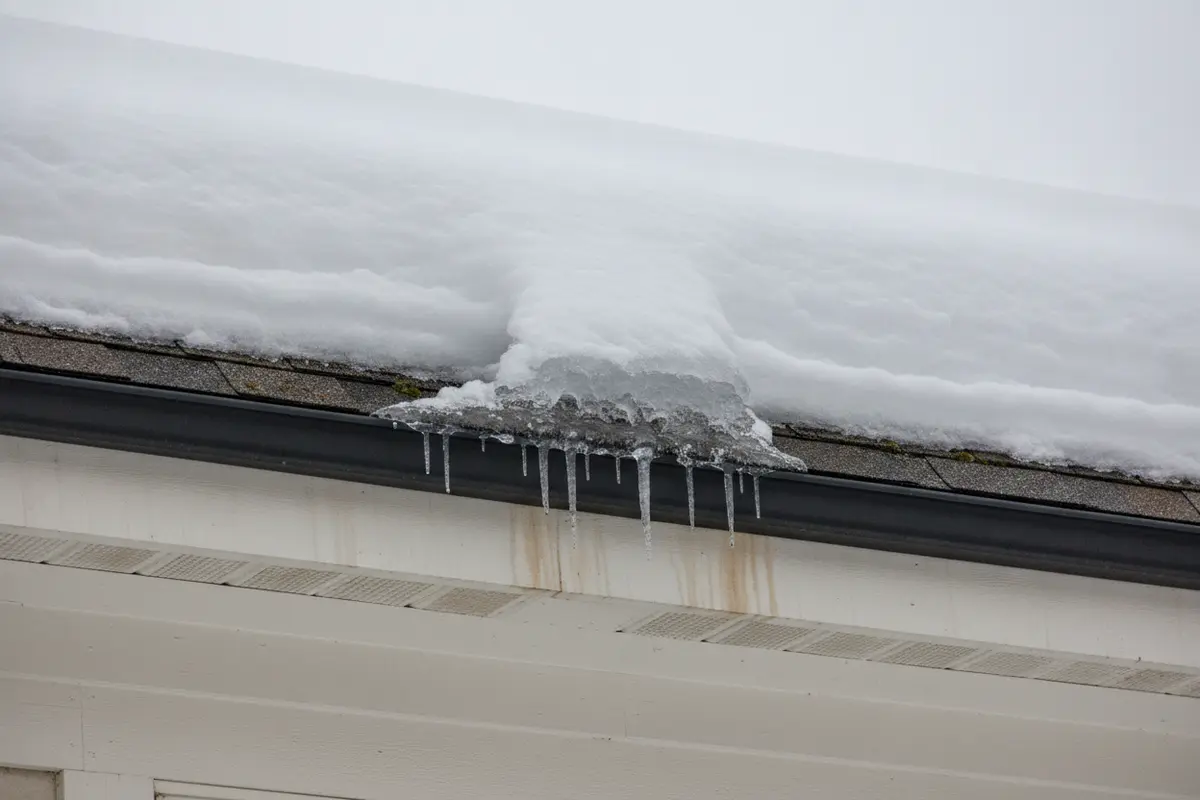
An ice dam is a buildup of ice along a roof’s lower edge, often near the eaves or gutters. Snow on a warmer part of the roof can melt. As that water moves toward a colder overhang, it can freeze again and gradually form a ridge. Additional meltwater may collect behind the ridge instead of draining off the roof in the usual way.
When water is held against the roof, it may work beneath shingles or other roofing materials and reach roof sheathing, insulation, ceilings, walls, or finishes. The result can be a leak, staining, damaged interior materials, or a wet attic. The ice itself is visible, but the path water takes inside may be hidden. A drip on a ceiling does not necessarily show where the roof was first affected.
Ice dams are not simply a sign that a roof is old or defective. They can occur where winter conditions, snow cover, roof temperature differences, air leakage, insulation, ventilation, roof geometry, and drainage interact. Some buildings experience recurring ice at a particular eave or valley; others may see a problem only after a specific combination of weather and snow. A useful response identifies both the immediate hazard and the building conditions that may have contributed.
In Montana, North Dakota, and South Dakota, winter temperature swings and periods of snow cover can make roof conditions change quickly. Iowa and Tennessee properties can also face freezing weather, snow, or repeated freeze-thaw conditions. The weather and building details vary by location, so do not assume that one removal method or prevention plan fits every roof.
How can you recognize a possible ice-dam problem?
From a safe position at ground level, look for an irregular ridge of ice at the lower roof edge, thick or repeated ice along a section of eave, or icicles that appear in the same area after snowmelt. These signs do not by themselves prove that water is entering the building or establish the cause. Avoid walking under a heavy ice edge or standing below icicles while inspecting.
Inside, possible warning signs include a new ceiling or upper-wall stain, damp drywall, peeling paint, bubbling finishes, a musty smell, or water near a window or exterior wall after a thaw. Check the attic only if there is safe, ordinary access and you can remain on a stable floor or walkway. Do not step onto ceiling joists or insulation, move wet electrical wiring, or enter an area with unstable framing or standing water.
Water stains and damp materials can have causes other than an ice dam, including plumbing leaks or other roof openings. Note where and when a symptom appears, whether it changes with melting weather, and whether it recurs. This context can help a roofer or other qualified professional investigate, but it is not a substitute for an on-site diagnosis.
What to note without approaching the roof
- Which side of the building shows ice or icicles, and whether they appear in one area or along a longer section.
- Whether a ceiling, wall, or attic symptom is new, growing, or associated with thawing weather.
- Any visible sagging, loose material, or water near electrical fixtures that calls for prompt attention.
- Recent weather and snow conditions, if you know them, and whether the same location has had a problem before.
- Photos taken from a safe location, without standing beneath falling ice or climbing a ladder.
For further roof-condition context, Wegner’s guide to preparing a roof for winter and its information about identifying roof damage can help frame questions to ask. Neither a photo nor a general guide can confirm the condition of a particular roof.
What should you do first when you find ice or water?
Begin with people and property, not the ice. Keep occupants and pets away from areas where ceiling material is bulging, water is dripping near electrical equipment, or ice could fall from an eave. Do not touch a wet light fixture, switch, outlet, or appliance. If water is close to electrical equipment, keep clear and contact a qualified electrician or emergency services as the situation requires.
If water is actively entering, move furniture, electronics, and valuables only when it is safe. Place a container under a drip if you can do so without standing below a sagging ceiling or touching electrical equipment. If a ceiling is bulging, do not puncture it or stand beneath it; wet materials can fail without warning. When the leak is substantial or the building may be unsafe, leave the affected area and seek appropriate help.
Take photos of visible interior effects and exterior conditions from a safe distance. Record the date, the room or area affected, and what you observed. Avoid putting yourself at risk to get a better angle. If you are considering an insurance inquiry, ask your insurer about its documentation and reporting process. Wegner’s storm-damage roof repair guide offers related roof-damage context, but no one can determine from ice alone whether an insurance policy applies or whether a claim will be accepted.
Next, contact a roofing professional to explain what you see and ask what response is appropriate. Describe whether water is entering now, whether the roof is covered in snow or ice, and whether there is a safe way to access the property. Do not assume a contractor offers immediate or round-the-clock response unless that has been confirmed. Wegner’s contact page provides a way to start a conversation about a property and its needs.
Why is do-it-yourself ice dam removal risky?
The most visible part of an ice dam is often at a roof edge, a place that can be difficult to reach safely even in good weather. In winter, ladders, roof surfaces, gutters, and nearby ground may be slippery. Snow can hide roof edges and fragile areas. A fall or an injury from falling ice is a serious risk, and an attempt to reach a small ridge can become dangerous before any removal begins.
Tools create a second problem. A shovel, hammer, hatchet, ice chopper, or similar implement can cut, crack, loosen, or puncture roofing materials and gutters. Even a tool that breaks the ice may strike shingles, flashing, trim, or a roof membrane. Scraping and prying can remove protective granules or tear a layer that should remain intact. Damage may not be obvious from the ground and can create a new path for water.
Applying boiling water, a torch, a heat gun, or another improvised heat source is not a safe shortcut. Heated water can refreeze as it runs into colder areas. Open flame and hot equipment can cause burns, fire, or material damage. Electrical heating devices used in an improvised way can introduce additional hazards. These approaches do not explain why the roof is warming unevenly or establish whether concealed damage already exists.
Some people place de-icing chemicals or salt on a roof. A product’s suitability depends on its ingredients and the roofing, metal, plants, and drainage around the building. Chemicals may stain or corrode some surfaces, harm nearby vegetation, or run through a gutter. A product that loosens some ice does not necessarily clear a safe drainage path or repair water intrusion. Do not assume a household product is appropriate for a roof; ask a qualified professional about the specific material and situation.
Snow removal also has hazards. Pushing or pulling snow from the edge can put a person beneath falling snow and ice, and reaching from a ladder can shift balance. A roof rake used from the ground may seem safer, but pulling heavy or frozen snow can damage shingles or gutters, and the user may still be beneath material that slides. If snow load, structural movement, or a roof collapse concern is present, keep clear and seek urgent professional guidance rather than attempting removal.
How do professionals approach ice dam removal?
A responsible response starts by understanding the conditions, not by promising that a single technique works everywhere. A contractor may ask about the building, the location and extent of ice, active water entry, roof type, access, prior leaks, and weather. They should explain what they can inspect safely, what the immediate work is intended to accomplish, and what remains outside that scope.
Depending on the roof and conditions, a qualified contractor may use a controlled removal approach, such as specialized low-pressure steam, when appropriate. That is an example of a method used in the industry, not a claim that it is suitable for every roof or offered in every service area. Ask the contractor to explain the proposed method, its limits, how the crew will protect the roof and surrounding property, and whether conditions may require rescheduling or a different response.
Removal is not the same as a full roof repair. Clearing an ice ridge may restore a route for water to drain, but it cannot by itself show whether water has entered beneath the roofing, whether insulation is wet, or why the ice formed. A separate inspection may be appropriate after the immediate hazard is addressed. If the roof is covered by snow, access is unsafe, or weather prevents a reliable assessment, some questions may need to wait.
A professional may also explain that the ice cannot be removed safely or completely under current conditions. That is not necessarily a failure to help; roof work should account for worker safety, building materials, and weather. Ask what can be done now, what symptoms should prompt another call, and what follow-up evaluation is recommended. Avoid accepting a guarantee that ice will not return based only on removing one ridge.
Questions to ask before work begins
- What immediate condition are you addressing: an ice ridge, active water entry, roof damage, or a combination?
- How will you access the roof and protect workers, occupants, landscaping, gutters, and roofing materials?
- What method do you recommend for this roof, and what are its risks and limitations?
- Will the work include a roof inspection, or is that a separate scope?
- What areas can be evaluated today, and what might remain hidden until snow or ice has cleared?
- What should I do if water continues to enter after the work?
- What is included in the written scope, and what conditions could change it?
- Will you document the visible condition and work performed?
For general roof-service context, see Wegner’s pages on roof repair and leak repair and roofing services. The exact service available and scope for a given property should be confirmed directly; a website description is not a finding about a particular roof.
What happens after ice dam removal?
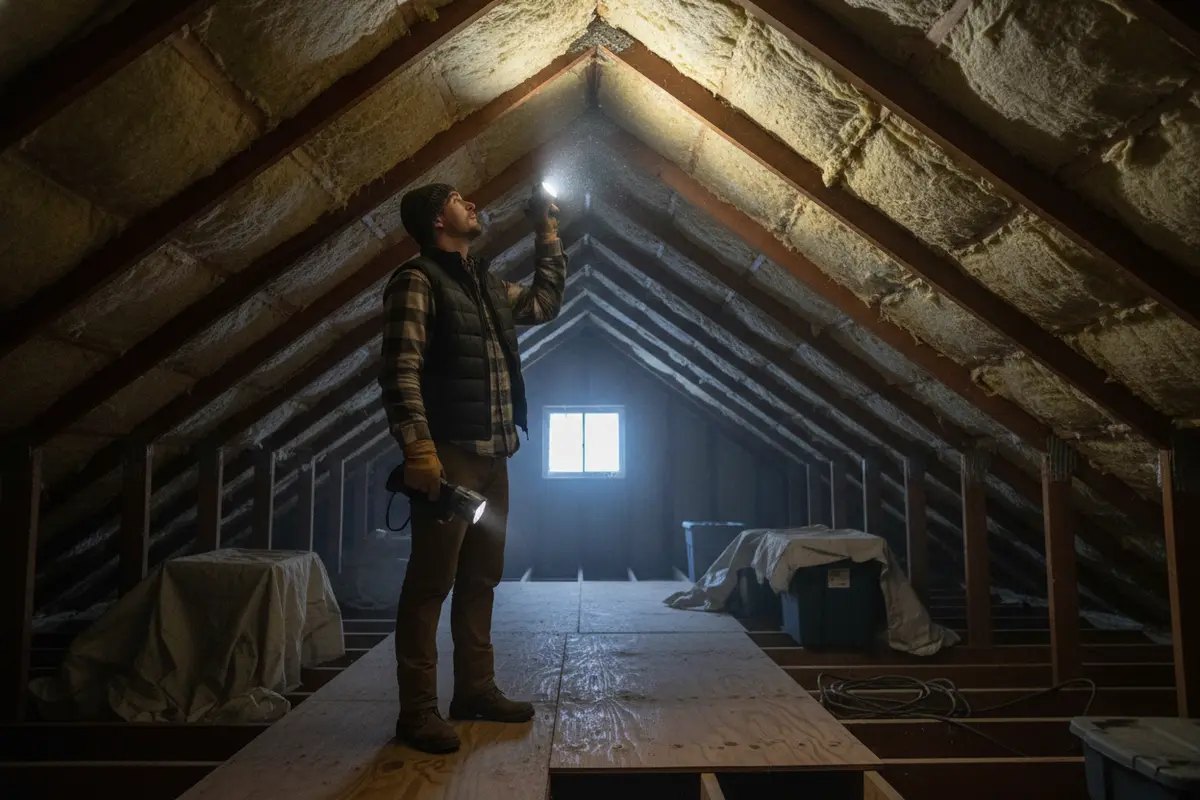
Once the immediate ice condition has been addressed, the next question is whether the roof or interior has been affected. A roofer can assess accessible roofing, edges, flashing, penetrations, drainage components, and visible signs of water entry. The inspection scope depends on weather, roof design, surface conditions, and safe access. Some areas may not be visible until snow and ice have melted.
Inside, an evaluation may consider the attic, insulation, roof deck, ceiling, and any visible moisture. Wet insulation can lose effectiveness and may need to be addressed, but the appropriate steps depend on the material and extent of wetting. Stains do not show how far moisture has travelled. Drying and repair plans should be based on the conditions found, not assumptions from the location of a drip alone.
A roof assessment may identify damage that needs repair, but it should distinguish observed conditions from possible causes. Ask for photographs where feasible, a written description of the affected area, and a clear explanation of recommended work. If the cause is uncertain or there are several possible sources, ask what further inspection is needed before approving a larger project.
If you plan to talk with your insurer, keep your notes and photos, and ask the insurer how it wants a potential loss reported. A roofing contractor can describe visible roof conditions and may help explain repair scope, but coverage decisions belong to the insurance company under the policy. Do not treat an inspection or estimate as a promise that a claim will be approved, that a specific repair is covered, or that the insurer will pay a particular amount.
How can you reduce the chance of recurring ice dams?
Long-term prevention usually means finding why the roof has uneven temperatures or why meltwater cannot drain as intended. Removing ice may address an immediate condition, but it does not automatically correct heat loss, air leakage, insulation gaps, ventilation problems, or drainage issues. The right corrective work depends on the building and should be evaluated as a system rather than reduced to one product or repair.
Look for heat moving into the attic
Warm air escaping from living areas can heat portions of the roof. Potential paths include gaps around attic hatches, plumbing or electrical penetrations, recessed fixtures, chimneys, and other openings. Do not seal a vent, flue, or combustion-air opening without qualified guidance; some openings have a safety function. A building professional can help distinguish unwanted leakage from ventilation or equipment requirements.
Insulation can also affect roof temperature. Gaps, compressed material, or uneven coverage may contribute to heat loss, but adding insulation without checking air leakage, moisture, ventilation, and existing materials can create a different problem. Do not block soffit or other intended ventilation paths by pushing insulation into them. Before changing attic materials, ask how the plan accounts for the full assembly and any wiring, fixtures, or mechanical equipment present.
Check ventilation as part of the whole roof system
Ventilation is not a one-size-fits-all cure. Roof and attic design, existing intake and exhaust openings, insulation, air sealing, and local building conditions all matter. More vents do not automatically fix a leak or an ice dam, and closing openings without evaluating the system can be counterproductive. Ask a qualified professional to identify the existing arrangement and explain any proposed changes.
Keep drainage and roof details in view
Leaves and debris can obstruct gutters and downspouts, and damaged or poorly aligned components can affect how water drains. Routine ground-level observation and maintenance may identify visible concerns, but do not climb onto a roof or reach into an icy gutter. Ice itself can prevent normal drainage, so clearing a gutter does not guarantee that an ice dam will not form.
Roof geometry and details can also shape where snow and meltwater collect. Valleys, eaves, transitions, additions, and areas with different exposures may behave differently. A repair or replacement plan should account for the actual roof assembly and water-management details rather than rely on a general promise of prevention. If a roof project is being considered, ask how the proposed scope addresses the locations where recurring ice or leaks have been observed.
Property owners looking for broader seasonal planning can review Wegner’s winter roof preparation guidance and its roof maintenance information. That maintenance page is specific to Sioux Falls; its location should not be read as confirmation of a particular office or crew at another address. For service-area context, see Wegner’s service-area information and confirm availability for the property in question.
How should owners plan for different buildings and regions?
A detached home, a commercial building, and a multi-unit property can have different access, drainage, occupancy, and responsibility concerns. For a residence, the homeowner may need to coordinate interior protection, contractor access, and any insurer communication. For a commercial or multi-unit property, identify who can authorize roof access, who is responsible for affected units or work areas, and how to keep occupants away from falling ice or water intrusion.
Commercial roofs may be low-slope, steep-slope, or a combination, and their membranes, drains, parapets, and rooftop equipment create different constraints. Do not send staff onto a roof to clear ice or snow unless a qualified safety plan and appropriate training are in place. Identify an authorized contact, document where water appears, protect goods and equipment when safe, and explain any access limits to the contractor before work is planned. Wegner describes its commercial roofing services; ask what assessment is appropriate for the specific property.
Regional weather is not uniform. A property in Montana may face different elevation, exposure, and snow conditions from a building in Iowa or Tennessee. North Dakota and South Dakota properties can also have varied roof forms, local weather, and building histories. These differences matter when discussing the timing and safe approach to a roof evaluation. Wegner describes a multi-state regional footprint, but a service-area statement does not establish that a staffed office, crew, or immediate response is available in every town.
When contacting a contractor, provide the property address, building type, roof access constraints, symptoms, and whether water is entering now. Ask whether that address and requested scope are currently served. This avoids relying on a general location list for a specific service commitment and helps the contractor decide what follow-up is practical.
What should a written estimate or scope explain?
There is no single price for ice dam removal that applies to every building. The amount and location of ice, roof height and pitch, roof material, access, weather, safety requirements, equipment, and related inspection or repair needs can all affect the work. A written, scope-specific estimate is more useful than a broad online range or a price given without understanding the property.
Before approving work, check whether the written scope clearly separates immediate ice removal, inspection, temporary measures, permanent roof repair, interior mitigation, and any prevention recommendations. Ask which areas are included, what is excluded, whether disposal or property protection is part of the plan, and what conditions could change the work. If a contractor identifies additional damage after access, ask for an explanation and revised scope before authorizing work beyond what you agreed to.
A free estimate, if offered for the requested project, is an estimate of proposed work, not a promise that removal or repair itself is free. It also does not guarantee that a project is appropriate, that ice will not return, or that insurance will cover the work. Confirm what evaluation is included and what fees, if any, apply before scheduling. Ask questions until you understand what the estimate covers.
How can you prepare for a roof visit?
A short, accurate description helps a contractor understand the situation before arriving. Share the building address, whether it is a home or commercial property, the roof type if known, and the area where ice or water is visible. Describe when the symptoms began, whether water is entering at this moment, and whether the same spot has leaked before. Mention a ceiling bulge, electrical concern, falling ice, restricted access, pets, tenants, or other hazards up front.
Do not feel you need to diagnose the roof. A homeowner may not know whether the ridge is an ice dam, whether a stain comes from the roof, or whether attic ventilation is adequate. State what you observed instead of guessing at the cause. For example, “water appeared on the upstairs ceiling during the thaw” is more useful than a confident diagnosis that a particular shingle failed. The professional can decide what inspection is appropriate.
Make safe access practical. Clear a walkway from the parking area to the entrance if you can do so without working beneath falling ice. Keep vehicles and people away from areas where snow or ice could slide from the roof. Secure pets and tell the contractor about locked gates or areas that cannot be entered. Do not clear snow from the roof or climb a ladder to make the inspection easier.
Gather information that may help explain the building’s history. Useful items can include photographs from earlier winters, notes about previous leaks, roof installation or repair records, and the names of any materials if known. Do not delay an urgent safety response while searching for paperwork. If the building has multiple units or a commercial manager, identify one person who can share observations and authorize access so instructions are consistent.
At the visit, ask what the professional can see safely under current conditions. A snow-covered surface may limit what can be assessed. Take notes on the observed condition, recommendations, and any follow-up plan. If the proposed scope includes immediate ice work and later roof repair, ask that the two be described separately. This makes it easier to understand what the first visit addresses and what remains to be decided.
What should you monitor after the immediate problem?
After removal or an initial visit, continue watching for changes from safe locations. Check the rooms where water was first noticed, adjacent ceilings and walls, and the attic only if it has safe access. Look for new staining, dampness, peeling finishes, or a musty smell. Record the time and location of a new symptom and whether it followed precipitation, thawing, or another weather change. If water returns or worsens, update the contractor and describe what has changed.
Do not assume that a dry ceiling means all materials have dried. Nor does a stain that remains visible necessarily mean water is still entering. The next step depends on the materials, the extent of moisture, and the cause. Ask a qualified professional whether additional roof evaluation, drying, or interior repair is needed. For substantial water intrusion, extensive wet materials, or possible electrical hazards, contact the appropriate building or remediation professional rather than relying on appearance alone.
Keep before-and-after photographs and copies of any written scope, work notes, and invoices. If you have contacted an insurer, follow its instructions for updates and records. Be precise about what the contractor observed and what work was performed; do not treat a preliminary conversation as a final coverage determination. Good records help property owners, contractors, and insurers discuss the same locations and dates.
If the ice returns in the same place during a later cold period, document the pattern and mention it during the follow-up evaluation. Recurrence is useful information, but it does not identify a single cause by itself. A professional may need to consider attic conditions, roof geometry, drainage, and the timing of heat and snow changes together. A durable plan should explain what condition is being corrected and how the owner can tell whether further attention is needed.
Do roof materials change the removal plan?
Yes. Roofing systems differ in their surfaces, seams, fasteners, coatings, drainage details, and tolerance for contact. Asphalt shingles, metal panels, membranes, tile, and other coverings should not be treated as interchangeable. A method that might be considered for one roof could be damaging or unsuitable for another. Roof pitch, age, prior repairs, temperature, and access also affect what can be done safely.
On an asphalt-shingle roof, scraping or striking can loosen shingles or remove protective granules. On metal, a tool can scratch a coating, deform a panel, or damage a seam or fastener. Low-slope systems may use membranes and drains that require a method suited to the particular material and detail. These examples illustrate why a contractor should identify the roof assembly and explain a proposed approach instead of offering a universal recipe.
Gutters and flashing matter too. Ice may extend over an eave or collect around a transition, but the visible edge is not necessarily the only affected part. Pulling at ice can bend a gutter, loosen a downspout connection, or disturb flashing. Avoid using the gutter as a foothold or anchor. If the property has solar equipment or rooftop mechanical systems, tell the contractor before any work is planned so access and protection can be considered.
For any roof type, ask whether the method could affect the manufacturer’s installation instructions or existing warranty terms. Do not assume a warranty covers ice dam removal or damage related to an unapproved method. A contractor can explain its own proposed work, but the exact warranty terms should be reviewed in the relevant written documents. If a roof is still under a separate manufacturer’s or installer warranty, ask who should be contacted before authorizing work that could affect the assembly.
These questions do not require a property owner to select a technical method. Their purpose is to prompt a clear explanation: what roof material is present, where the ice is located, what will be touched, what protections will be used, and what limitations remain. If the answer is unclear, ask for clarification before the work begins.
How can a winter roof plan reduce last-minute decisions?
Property owners in Montana, North Dakota, and South Dakota may want to review access and leak-response plans before sustained winter weather arrives. The same preparation can help owners in Iowa and Tennessee where winter conditions affect the building. A plan does not prevent every ice dam, but it can make it easier to keep people safe, locate shutoffs or building contacts, and describe a problem accurately when help is needed.
For a home, note the locations of the attic hatch, electrical panel, and water shutoff, but do not enter a hazardous area to reach them. Know which rooms to avoid if a ceiling becomes wet or unstable. Keep a flashlight, a way to contact the property manager or contractor, and a record of prior roof work in an accessible place. If you share a home, make sure everyone knows not to climb onto the roof or stand beneath falling ice.
For a business or multi-unit property, identify who can authorize roof access, who communicates with tenants or staff, and who records interior reports. Consider how to temporarily protect stock, equipment, or work areas without creating a slip, electrical, or fire hazard. Tell occupants where to report a leak and ask them to avoid affected areas. The property manager should coordinate one clear set of observations and access instructions for the contractor.
Before winter, arrange ordinary roof maintenance when conditions are safe. A qualified inspection can document visible roof conditions and identify maintenance questions, though it cannot guarantee that an ice dam will not develop. Keep trees, drains, and gutters in mind where safely accessible, and ask whether prior repairs or recurring symptoms warrant closer attention. Wegner provides location information for states including Montana, North Dakota, and South Dakota; confirm directly whether the requested inspection and address are within current service availability.
It can also help to decide in advance how to document a potential loss. Save photographs from safe vantage points, keep records of previous repairs, and know how to contact your insurer. This is preparation, not a prediction that a claim will be covered. A clear plan helps separate immediate occupant safety, roof work, interior response, and any insurance questions instead of treating them as one decision.
What mistakes should you avoid while waiting for help?
- Do not climb out a window or onto a roof. Snow and ice can hide edges and reduce footing, even if the roof appears shallow.
- Do not stand beneath an ice-loaded eave. Ice, snow, and tools can fall without warning.
- Do not chip, pry, or scrape the ridge. The method can damage roofing and gutters and may worsen water entry.
- Do not use open flame or improvised heat. Fire, burns, refreezing water, and material damage are possible hazards.
- Do not assume salt or a de-icer is safe for the roof. Material compatibility and drainage effects matter.
- Do not cover an active electrical hazard with a bucket or touch wet equipment. Keep clear and seek qualified help.
- Do not puncture a bulging ceiling. Wet material may collapse, and water may be close to wiring.
- Do not assume removing the visible ice has solved the leak. Water entry and concealed damage may need a separate assessment.
- Do not block attic vents or add insulation without a plan. Changes should account for air movement, moisture, and the roof system.
- Do not assume an insurer will approve a claim. Follow the insurer’s process and keep a record of observations.
What questions do property owners often ask?
Should I remove an ice dam myself?
In general, do not climb onto an icy roof or try to break a dam with a tool. Roof access, falling ice, and damage to shingles, gutters, or flashing make do-it-yourself removal risky. If there is active water entry or a safety concern, protect occupants and belongings where safe and contact an appropriate professional.
Does every ice dam mean the roof is damaged?
No. Seeing ice at an eave does not by itself prove that roofing has failed or that water has entered the building. It is a reason to observe conditions safely and check for interior symptoms. A professional evaluation may be needed to determine whether damage exists and what contributed to the ice.
Will removing the ice stop a leak?
It may relieve an immediate obstruction in some situations, but it cannot guarantee that a leak will stop or that the source has been found. Water may have entered another area, and concealed damage can remain. Ask whether the proposed service includes a roof assessment and what follow-up is recommended if symptoms continue.
Can I use salt, hot water, or a roof rake?
Do not assume that any of these is safe or effective for your particular roof. Chemicals can affect materials and drainage; hot water may refreeze; and raking can damage roofing or put a person beneath sliding snow. Avoid improvising on an icy roof and ask a qualified contractor what is appropriate for the building.
Will insurance pay for ice dam removal or repairs?
Coverage depends on the policy, circumstances, and insurer’s review. The presence of an ice dam or a contractor’s opinion does not guarantee coverage or claim approval. Contact your insurer for its reporting and documentation requirements, and keep copies of photos, notes, and written scopes.
How can I prevent ice dams from returning?
Prevention requires understanding what is happening on the specific building. A professional may look at air leakage, insulation, ventilation, roof design, drainage, and prior damage. No single fix can be promised without an evaluation, and ice removal alone does not correct the conditions that may have contributed.
Request a conversation about your roof
Ice dams call for a careful response, not a risky attempt to reach or break the ice. Keep people clear of hazards, document what you can safely observe, and ask for a property-specific evaluation and written scope before deciding what work is needed.
